
Co znamená PRN v lékařském kontextu? Komplexní průvodce

Co znamená PRN v lékařském kontextu? Komplexní průvodce
Pokud jste někdy viděli lékový list, nemocniční žádanku nebo plán ošetřovatelské péče a narazili na zkratku “PRN”, možná jste se divili, co přesně znamená a proč je důležitá. PRN je jednou z nejčastějších zkratek používaných ve zdravotnických zařízeních po celém světě, přesto si mnoho pacientů a dokonce i nových zdravotnických pracovníků není zcela jistých, jak funguje v praxi.
V tomto průvodci zodpovíme nejčastěji hledanou otázku — PRN je zkratka z latinského výrazu "pro re nata", což znamená "podle potřeby". V lékařství se používá k označení léků nebo procedur, které mají být podány nebo provedeny pouze tehdy, když je to nutné, nikoli podle pravidelného rozvrhu. — a projdeme si, jak je bezpečně aplikována v různých prostředích péče. Také se podíváme na to, jak správné lékařské přístroje a spotřební materiál podporují bezpečnou a efektivní péči dle potřeby (PRN), a budeme čerpat z našich zkušeností ve společnosti Weishan Tech jakožto certifikovaného výrobce komponentů pro lékařské přístroje.
PRN Lékařská zkratka: Základní definice
The Per rectum pochází z latinského výrazu podle potřeby, což se zhruba překládá jako “jak je potřeba” nebo “jak nastanou okolnosti”. V běžné klinické řeči význam p.r.n. je jednoduše: užívat nebo podávat pouze v případě potřeby, nikoli v pravidelných intervalech.
Takže když se někdo zeptá co znamená PRN, krátká odpověď zní: znamená latinskou frázi, která označuje, že lék nebo intervence by měly být podány na základě potřeby, nikoli podle předem stanoveného časového plánu.
Tento rozdíl je důležitější, než se na první pohled může zdát. Zda je lék předepsán v pevném režimu, nebo "podle potřeby", ovlivňuje, jak sestry posuzují pacienty, jak lékaři píší příkazy a jak pacienti sami chápou svůj léčebný plán.
PRN vs. naplánované (pevné časy) léky
Porozumění léky podle potřeby stává jasnější, když jej přímo porovnáme s dávkováním dle plánu.
Plánované podávání léků:
- V pevných, předem daných intervalech (např. každých 8 hodin, dvakrát denně)
- Používá se pro stavy vyžadující konzistentní hladinu léčiva v těle (např. antibiotika, léky na krevní tlak)
- Nezávisí na tom, zda pacient hlásí příznaky
Léky dle potřeby
- Pouze při výskytu konkrétního symptomu nebo stavu
- Vyžaduje klinický úsudek nebo potřebu nahlášenou pacientem před podáním
- Často má maximální frekvenci nebo dávkový limit (např. “každé 4–6 hodin podle potřeby, nepřesáhnout 4 dávky za 24 hodin”)
Právě tato pružnost je důvodem, proč PRN profesionálové tak často používají, je tak cenné – umožňuje péči být vnímavou, nikoli rigidní, přizpůsobovat se tomu, jak se pacient skutečně cítí, spíše než vnucovat léčbu na nepružném časovém plánu.
Běžné klinické aplikace objednávek PRN
The lékařské PRN znamenáse vyvíjí odlišně v závislosti na klinickém scénáři. Mezi nejběžnější příklady patří:
- Zvládání bolesti Analgetika předepsaná PRN (podle potřeby) umožňují pacientům získat úlevu přesně tehdy, když se objeví nepohodlí, namísto podávání zbytečných dávek během období bez bolesti.
- Kontrola horečky — Antipyretika jsou často objednávána PRN (podle potřeby), takže se podávají pouze poté, co tělesná teplota pacienta překročí stanovenou hranici.
- Úzkost nebo neklid Některá sedativa nebo anxiolytika se v akutní péči nebo psychiatrických zařízeních používají podle potřeby k zvládání epizodického stresu.
- Nevolnost a zvracení Antiemetika jsou často podávána dle potřeby (PRN), protože tyto příznaky mohou být spíše přerušované než trvalé.
- Respirační příznaky — Bronchodilatátory nebo doplňkový kyslík lze použít dle potřeby, když pacient pociťuje potíže s dýcháním.
V každém z těchto případů dle potřeby. signál celému pečujícímu týmu, že o načasování zásahu rozhoduje klinické posouzení – ne hodiny.
Bezpečnost především: Jak se provádějí PRN příkazy
Protože dávky na vyžádání (PRN) závisí spíše na posouzení než na pevně stanoveném rozvrhu, jsou bezpečnostní protokoly nezbytné. Nemocnice a kliniky obecně dodržují přísné postupy, aby zajistily správné použití léků na vyžádání:
- Jasná kritéria pro předepisování Lékaři musí při psaní objednávky PRN uvést přesný stav, dávku, limit frekvence a maximální denní množství.
- Ošetřovatelské posouzení před podáním — Zdravotní sestry posuzují příznaky pacienta, vitální funkce a předchozí dávky před podáním medikace PRN.
- Dokumentace — Každé podání PRN musí být zaznamenáno včetně důvodu, času a reakce pacienta, aby se zabránilo nadužívání nebo přehlédnutí vzorců.
- Dvojitá kontrola a ověření Zejména u vysoce rizikových léčiv (jako jsou opiáty) často druhý lékař před podáním ověřuje objednávku a dávkování.
- Pravidelná kontrola — Lékaři pravidelně přehodnocují, zda je příkaz PRN stále klinicky vhodný.
Tyto vrstvené kontroly jsou to, co činí .prn označení bezpečné v praxi – flexibilita nikdy nenahrazuje dohled; je na něm postavena.
Role lékařských přístrojů při podpoře péče dle potřeby
Pacienti podstupující léčbu PRN – zejména při epizodických respiračních symptomech, jako je dušnost, bronchospasmus nebo potřeba podpory dýchacích cest během zákroku – se často spoléhají na respirační zařízení, která musí spolehlivě fungovat v nepředvídatelných okamžicích. Zde se stává vysoce kvalitní výroba klinicky významnou.
Na Weishan Tech, vyrábíme respirační spotřební materiál používaný právě v těchto situacích, včetně dýchacích okruhů, dýchacích filtrů, anesteziologických masek a respiračních masek:
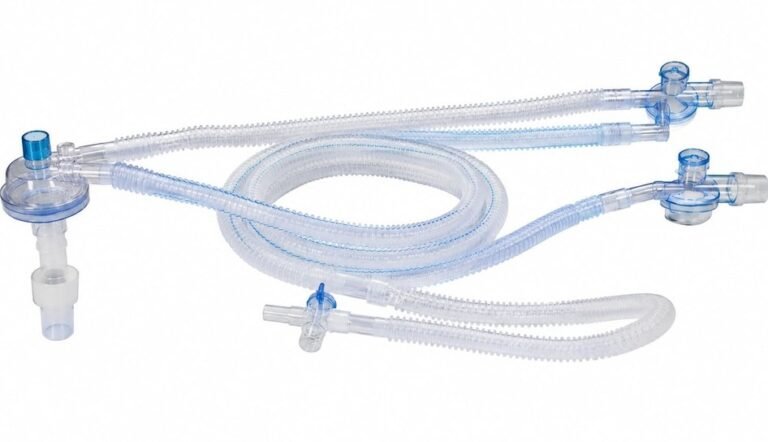
- Dýchací okruhy — používají pro PERN kyslíkovou terapii nebo podávání bronchodilatancií, musí zachovat vzduchotěsnost a nízký odpor při podpoře pacientů s náhlými dýchacími potížemi.
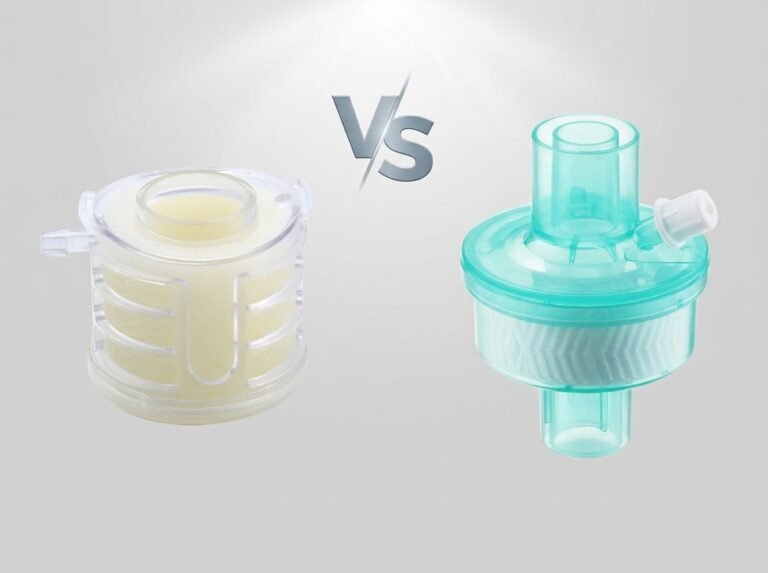
- Filtry pro dýchací přístroje pomáhat udržovat čisté, chráněné dýchací cesty během přerušovaných respiračních intervencí, čímž se snižuje riziko kontaminace při každém zahájení terapie dle potřeby.
- Anesteziologické masky — musí poskytovat bezpečné a pohodlné utěsnění pro pacienty vyžadující podporu dýchacích cest podle potřeby během zákroků nebo sedace, což zajišťuje konzistentní dodávku plynů v okamžiku, kdy jsou potřeba.
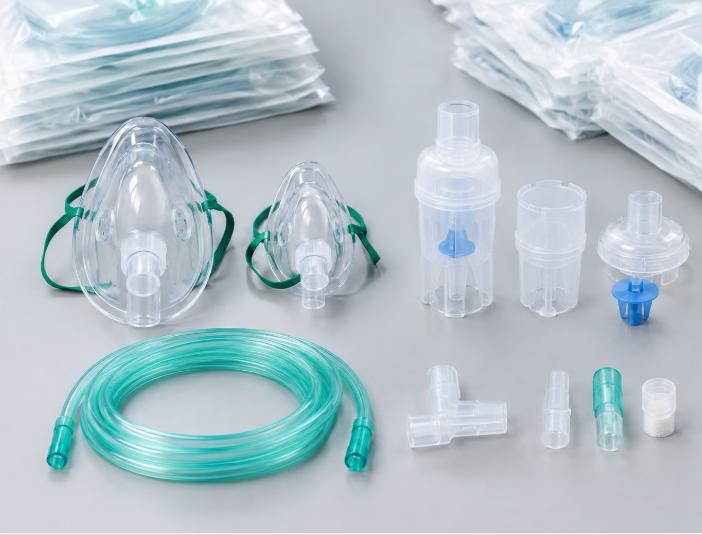
- Respirační masky — používané pro dodávku kyslíku PRN nebo nebulizovaných léků musí spolehlivě sedět a konzistentně fungovat, jelikož mohou být aplikovány pouze přerušovaně, nikoli nepřetržitě.
- Konzistentní kontrola kvality — napříč každou výrobní šarží zajišťuje, že když se lékař během naléhavého ZDN zásahu sáhne po přístroji, funguje přesně podle očekávání – bez váhání, bez poruchy.
Jako výrobce, který drží Certifikace FDA, CE a MDR, Společnost Weishan Tech se zavazuje vyrábět zařízení, která splňují přísné bezpečnostní normy požadované v prostředích, kde časování a spolehlivost mohou přímo ovlivnit výsledky léčby pacientů. Dobrá péče v rámci PRN není jen o klinickém úsudku – je to také o spolehlivých nástrojích, které za tímto úsudkem stojí.
Nejčastější dotazy týkající se PRN.
PRN je zkratka latinského výrazu pro re nata, což znamená “podle potřeby” nebo “jak situace dovolí”.”
Jedná se o lék nebo léčbu podávanou pouze v případě výskytu specifického příznaku nebo stavu, nikoli podle pevného harmonogramu.
Ano. “As needed” je jednoduše anglický překlad používaný zaměnitelně s latinskou zkratkou PRN.
Ne. PRN příkazy zahrnují specifická kritéria, maximální četnost a dávkové limity, které musí dodržovat klinický personál.
Ačkoliv je PRN nejčastěji spojován s léky, může se vztahovat i na určité ošetřovatelské intervence nebo léčebné postupy prováděné na základě stavu pacienta, nikoli kvůli pravidelnému časování.
Závěr
Porozumění PRN je zkratka z latinského výrazu "pro re nata", což znamená "podle potřeby". V lékařství se používá k označení léků nebo procedur, které mají být podány nebo provedeny pouze tehdy, když je to nutné, nikoli podle pravidelného rozvrhu. je zásadní pro pochopení toho, jak moderní zdravotní péče vyvažuje strukturu s flexibilitou. Místo toho, aby byl každý léčebný postup vnucován do pevného časového plánu, umožňují příkazy PRN (podle potřeby) lékařům reagovat přímo na aktuální potřeby pacienta – zmírňovat bolest, když se objeví, snižovat horečku, když stoupne, a podporovat pohodlí přesně tehdy, když na tom nejvíce záleží.
Tato flexibilita však závisí na přísných bezpečnostních protokolech a spolehlivém lékařském vybavení, které spolupracují. Ve společnosti Weishan Tech chápeme, že za každou PRN (as needed) objednávkou stojí řetězec důvěry – od lékaře přes sestru až po přístroj – a my zůstáváme odhodláni vyrábět certifikované, vysoce kvalitní zdravotnické prostředky, které podporují bezpečnou a personalizovanou péči o pacienta v každém kroku.