
Circuit Anesthesia Corrugated Tube: A Factory-Side Sourcing Guide for Medical Buyers

Circuit Anesthesia Corrugated Tube: A Factory-Side Sourcing Guide for Medical Buyers
At the factory level, we often see the Circuit Anesthesia Corrugated Tube treated as a “simple” consumable. we know there’s no such thing as simple. A 0.05mm difference in wall thickness can raise airway resistance in clinical use. Let’s be honest: a single weak weld at the connector is all it takes to turn a high-quality tube into trash. At our facility, we handle tens of millions of these corrugated tubes annually. That kind of volume has taught us more than any manual ever could. We’ve moved past the textbook definitions. Instead, I want to share the “boots-on-the-ground” production realities and the sourcing headaches that actually matter to a professional buyer.
What This Tube Does in the Breathing Circuit
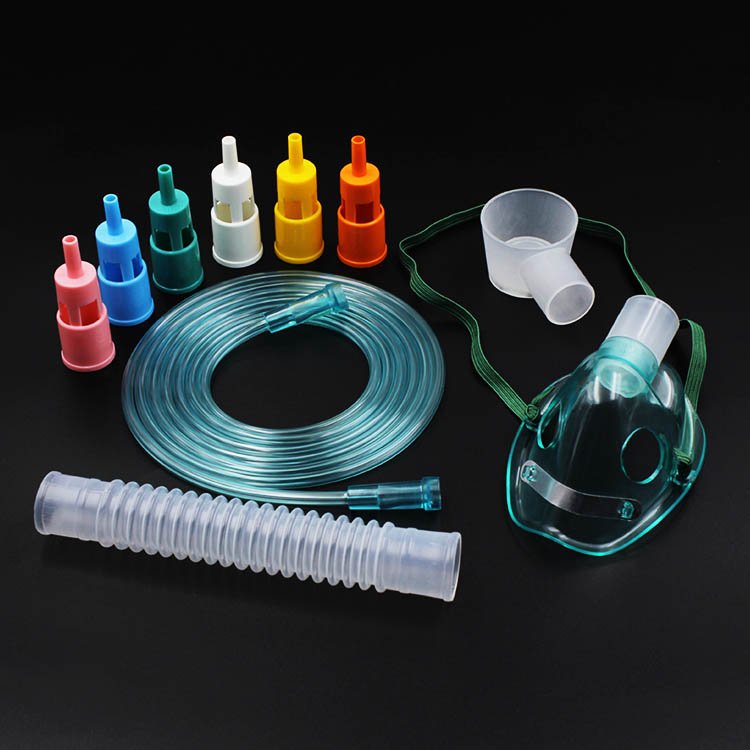
The corrugated tube is the main gas delivery channel in an anesthesia breathing circuit. It connects the anesthesia machine to the patient interface, carrying the oxygen and anesthetic gas mixture. The corrugated design serves two practical purposes: it prevents the tube from collapsing when bent during surgery, and it allows the tube to stretch without compromising the airtight seal. If this tube fails—leaks, kinks, or collapses—tidal volume delivery drops immediately. That is a patient safety issue, not just a product quality issue.
Material Matters: PE vs. PP
Most corrugated anesthesia tubes are made from PE (polyethylene) or PP (polypropylene). PE is softer and more flexible, which works well in standard operating room temperatures. PP is slightly stiffer with better chemical resistance, making it a better fit for environments where the tube has frequent contact with disinfectants. We manufacture both. The right choice depends on your clinical setting, not on which material costs more.
Three Production Issues That Cause Real Problems
- Uneven wall thickness. During extrusion, if mold precision or temperature control is off, some sections end up thinner than others. Thin spots collapse under pressure, increasing airway resistance. Our quality control keeps wall thickness deviation within ±0.05mm per batch.
- Weak connector bonding. The connectors at each end of the tube must hold firmly. If they are only glued, they can detach under tension. We use thermal welding, and every batch passes a pull-force test at a minimum of 15N—well above the stress level in normal clinical use.
- EO sterilization residue. Disposable corrugated tubes are sterilized with ethylene oxide (EO) before shipment. Excessive EO residue can irritate patients’ airways. We follow ISO 10993-7 for aeration time and provide batch-level EO residue test reports with every shipment.
What Buyers Should Actually Focus On
Too many buyers spend all their energy negotiating price and overlook details that matter more in practice. First, confirm the tube inner diameter matches your existing circuit system. The standard sizes are 22mm and 15mm—order the wrong one and nothing connects. Second, clarify the packaging format. Some markets require individual sterile packs; others accept bulk packaging. Getting this wrong causes customs delays or hospital rejection. Third, verify the factory holds ISO 13485 certification and has product registration for your target market, whether that is CE, FDA 510(k), or another local approval. No certificate means no legal sale.
——————————————————————————————————————————–
Nasa Wu
General Manager
Weishan Technology Co., Ltd.