
The Complete Guide to Nebulizer Mouthpieces

The Complete Guide to Nebulizer Mouthpieces: Choosing the Right Accessories for Better Breathing
If you or a loved one relies on inhaled medication to manage asthma, COPD, or another respiratory condition, you already know that the nebulizer machine is only half the story. The other half — often overlooked — is the accessory kit that actually delivers the medication into the lungs. Choosing the right mouthpiece for nebulizer treatment, or the appropriate mask, can make the difference between a fast, effective session and a frustrating, wasteful one.
A nebulizer system works by turning liquid medication into a fine mist that can be inhaled directly into the airways. But the machine itself doesn’t do much without the right delivery accessory attached — whether that’s a mouthpiece, a mask, or a full tubing and mouthpiece for nebulizer setup. Selecting accessories that match the patient’s age, breathing ability, and treatment needs is essential for consistent, effective therapy. In this guide, we’ll break down everything patients, caregivers, and procurement professionals need to know before restocking or upgrading their respiratory supplies.
Understanding the Nebulizer Mouthpiece
The mouthpiece is the component patients bite gently or place between their lips to inhale the medicated mist. For patients who can follow instructions and breathe steadily through their mouth, this is often the most efficient delivery method available.
Why a Mouthpiece Is the Gold Standard for Medication Delivery
- Direct-to-lung delivery: A mouthpiece sends the mist straight into the mouth and down into the airways, bypassing the nasal passages where some medication would otherwise be absorbed or lost.
- Less medication waste: Because there’s a tighter seal between the patient’s mouth and the device, less aerosolized medicine escapes into the surrounding air.
- Faster treatment times: Many patients find that a well-fitted mouthpiece shortens the length of a nebulizer session compared to a mask.
A complete setup typically includes the tubing and mouthpiece for nebulizer connected to the compressor, along with a medication cup that holds the prescribed solution. It’s worth inspecting this tubing periodically — cracked, discolored, or kinked tubing can reduce mist output and compromise treatment effectiveness.
When to Use a Mouthpiece
Mouthpieces work best for:
- Older children, teens, and adults who can breathe through the mouth on command
- Patients receiving maintenance treatments who want faster, more targeted delivery
- Situations where minimizing facial medication deposits (such as around the eyes) is a priority, particularly with steroid-based medications
Adult vs. Pediatric Kits: Why Sizing Matters
Not all nebulizer accessories are interchangeable across age groups, and this is one of the most common mistakes caregivers and procurement teams make when restocking supplies.
Nebulizer Kits for Adults
A nebulizer kit for adults is generally built with a larger mouthpiece, standard-length tubing, and a medication cup sized for typical adult dosing volumes. When comparing nebulizer kits adults rely on, look for:
- Comfortable, properly sized mouthpieces that create a secure seal
- Durable tubing rated for repeated use
- Compatibility with your specific compressor or portable nebulizer model
Nebulizer Kit Pedia (Pediatric) Options
Children have smaller airways, different breathing patterns, and often less patience for sitting still during treatment — which is why a dedicated nebulizer kit pedia setup matters. A proper nebulizer pediatric kit typically includes:
- A smaller, softer mouthpiece designed for smaller mouths
- Kid-friendly mask alternatives (often shaped like animals or featuring bright colors to reduce treatment anxiety)
- Shorter or more flexible tubing suited for smaller frames
Using an adult-sized kit on a child — or vice versa — can lead to poor medication delivery, discomfort, and treatments that take longer than necessary. Always confirm sizing compatibility before purchasing or restocking.
Mouthpiece vs. Mask Kits: Which Do You Need?
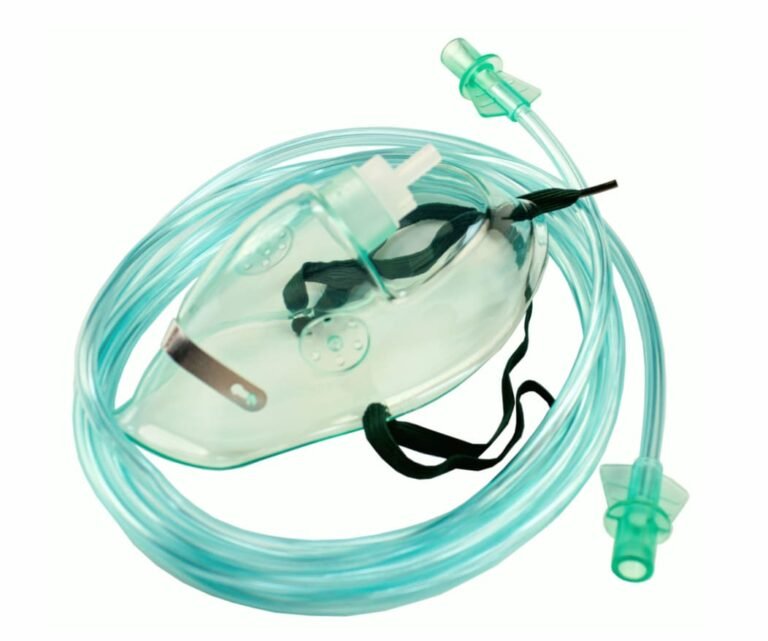
While mouthpieces are excellent for cooperative patients, they aren’t the right choice for everyone. This is where a nebulizer mask kit becomes essential.
When a Mask Kit Makes Sense
A mask kit covers both the nose and mouth, making it ideal for:
- Infants and young toddlers who cannot reliably use a mouthpiece
- Elderly patients with limited motor control, cognitive impairment, or difficulty holding a mouthpiece steady
- Patients who breathe primarily through the nose, since a mask captures medication regardless of breathing pattern
- Acute situations, such as during a respiratory flare-up, when following mouthpiece instructions may be difficult
For younger patients specifically, a nebulizer mask pedia option — designed with a smaller, contoured shape and softer materials — helps ensure a comfortable, secure fit that doesn’t leak mist around the edges.
Making the Decision
Ask these questions when choosing between the two:
- Can the patient reliably breathe through the mouth on command?
- Is the patient old enough and cooperative enough to hold a mouthpiece steady?
- Does the patient have any facial sensitivities that make a mask uncomfortable?
If the answer to the first two questions is yes, a mouthpiece is usually the more efficient choice. If not, a properly sized mask kit will ensure the patient still receives an effective dose.
Maintenance & Hygiene: Protecting Your Investment
Regardless of which accessory configuration you choose, proper cleaning and timely replacement are critical for both effectiveness and infection control.
Daily Cleaning
- Rinse the mouthpiece, mask, and medication cup with warm water after every use
- Allow all parts to air-dry completely on a clean towel before reassembling
- Avoid using cloth to dry the interior, as lint can clog the nebulizer’s fine openings
Weekly Sanitizing
- Soak removable parts (excluding tubing) in a solution of water and white vinegar, or use a manufacturer-approved disinfectant
- Rinse thoroughly and air-dry before the next use
- Never submerge the tubing itself in water, as trapped moisture can promote mold growth
When to Replace Parts
- Mouthpieces and masks: every 1–3 months with regular use, or sooner if cracked or discolored
- Tubing: every 2–3 months, or immediately if you notice moisture buildup inside
- Medication cups/nebulizer chambers: every 3–6 months, following manufacturer guidelines
Consistent hygiene habits not only extend the life of your equipment but also reduce the risk of respiratory infections caused by bacterial buildup in shared or reused components.
A: In general, a mouthpiece for nebulizer treatment delivers medication more efficiently for patients who can breathe steadily through the mouth, since it sends the mist directly into the airway with minimal loss to the surrounding air. However, for infants, elderly patients, or anyone unable to hold a mouthpiece steady, a nebulizer mask kit is the more practical choice and still ensures a full, effective dose.
A: This isn’t recommended. A nebulizer kit for adults typically includes a larger mouthpiece and standard-length tubing, while a nebulizer kit pedia setup uses a smaller, softer mouthpiece and mask sized for a child’s smaller airway and facial structure. Using the wrong size can cause poor sealing, wasted medication, and longer treatment times, so it’s best to match the kit to the patient’s age and size.
A: With regular use, tubing and mouthpiece for nebulizer components should generally be replaced every 2–3 months. Replace them sooner if you notice moisture or mold inside the tubing, or if the mouthpiece becomes cracked or discolored. Timely replacement keeps mist delivery consistent and lowers the risk of cross-contamination or respiratory infection.