
Medical Respirator vs Ventilator: Key Differences for Medical Device Buyers

Medical Respirator vs Ventilator: Key Differences for Medical Device Buyers
When sourcing respiratory care products, terminology matters. The terms respirator and ventilator are sometimes used interchangeably in general conversation, but they refer to very different types of medical equipment.
For importers, distributors, hospital procurement teams, and medical device brands, understanding the medical respirator vs ventilator distinction is essential. Choosing the wrong product category can lead to inaccurate specifications, inappropriate regulatory classification, and supply-chain problems.
This guide explains the difference between respirators and ventilators, including their mechanisms, applications, users, oxygen requirements, and manufacturing considerations.
What Is a Medical Respirator?
In medical terminology, a respirator generally refers to a device designed to protect the wearer from inhaling hazardous airborne particles, aerosols, or other contaminants.
Examples include:N95 respirators,FFP2 and FFP3 respirators,Disposable particulate respirators,Reusable elastomeric respirators,Specialized respiratory protective devices.
A respirator primarily provides respiratory protection. It filters contaminated ambient air before the wearer inhales it.
A medical respirator does not normally provide mechanical ventilation. It does not push oxygen into the lungs or control a patient’s breathing cycle.
Typical respirator users
Respirators may be used by:
Healthcare professionals exposed to airborne hazards
Laboratory personnel
Emergency responders
Industrial workers
Other individuals requiring respiratory protection
For B2B buyers, it is therefore important to distinguish respiratory protection equipment from therapeutic respiratory equipment.
What Is a Medical Ventilator?
A medical ventilator is an active medical device that supports or replaces a patient’s spontaneous breathing.
Unlike a respirator, a ventilator delivers a controlled flow of air or an air-oxygen mixture to the patient’s respiratory system. Depending on the device and mode, it can control or assist parameters such as:Tidal volume,Respiratory rate,Inspiratory pressure,Positive end-expiratory pressure (PEEP),Inspiratory and expiratory timing,Oxygen concentration.
Ventilators are used when a patient cannot maintain adequate ventilation independently or requires additional respiratory support.
Common applications include:Intensive care,Operating rooms,Emergency departments,Transport and ambulance care,Long-term respiratory support,Neonatal and pediatric care, depending on device design.
Medical Respirator vs Ventilator: Core Differences
The simplest answer to what’s the difference between a ventilator and a respirator is this:
A respirator protects a person from inhaling harmful airborne contaminants, while a medical ventilator supports or controls a patient’s breathing.
The two devices therefore perform fundamentally different functions.
| Feature | Medical Respirator | Medical Ventilator |
| Primary purpose | Respiratory protection | Respiratory support |
| Main function | Filters inhaled air | Delivers air or oxygen-containing gas |
| Provides mechanical ventilation | No | Yes |
| Controls breathing parameters | No | Yes |
| Typical user | Person wearing the device | Patient receiving respiratory support |
| Main environment | Healthcare, laboratory, industrial | ICU, OR, emergency, transport, home care |
| Key technology | Filtration | Gas delivery and ventilation control |
| Oxygen delivery | Normally no | May provide oxygen-enriched gas |
| Monitoring | Usually limited | Often includes multiple respiratory parameters |
This table highlights the fundamental difference between ventilator and respirator products.
How Do Respirators and Ventilators Work?
Understanding the operating principle is particularly important for medical device distributors evaluating suppliers.
Respirator operating principle
A respirator creates a filtration barrier between the wearer and the surrounding environment.
Ambient air passes through a filter material designed to capture specified airborne particles. The effectiveness of the device depends on factors such as:
Filter performance
Fit and sealing
Material construction
Breathing resistance
Manufacturing consistency
Applicable regulatory requirements
The respirator therefore protects the wearer but does not replace the body’s natural breathing mechanism.
Ventilator operating principle
A ventilator uses a controlled gas-delivery system to assist or regulate breathing.
Depending on its design, the system may include:
Gas inlet and oxygen supply
Flow and pressure control
Sensors
Valves
Control software
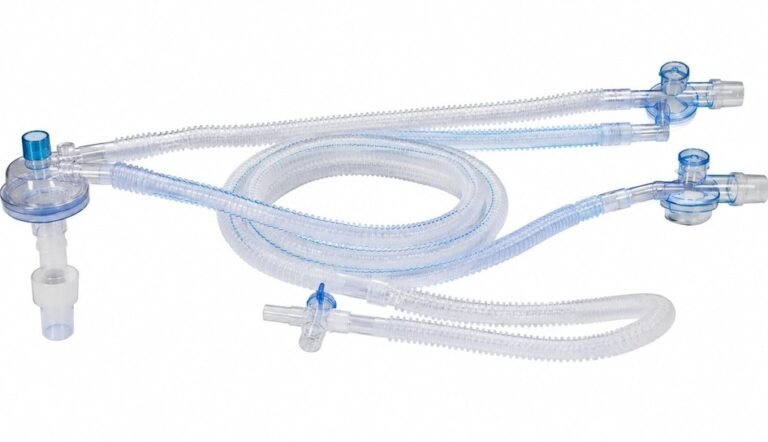
Breathing circuit connections
Patient interface
Alarms and monitoring functions
The ventilator delivers gas through a breathing circuit and patient interface such as an endotracheal tube, tracheostomy tube, or mask.
For this reason, ventilators require considerably more complex engineering, validation, testing, and clinical-risk management than filtration respirators.
Ventilator or Respirator: Which Product Does a Buyer Need?
For procurement teams, the answer depends on the intended clinical or occupational application.
Choose a respirator when the primary requirement is protection against airborne particles or contaminants.
Choose a ventilator when the requirement is to provide mechanical or assisted respiratory support to a patient.
This distinction is especially important when developing a product portfolio. A distributor selling hospital respiratory products may need both respiratory protection products and respiratory therapy consumables, but they should not be treated as interchangeable categories.
Oxygen Supply and Supporting Respiratory Care Products
Ventilators are frequently integrated into broader respiratory care systems.
Depending on the clinical environment, oxygen may come from:Central hospital oxygen systems,Oxygen concentrators,Medical oxygen cylinders,Portable oxygen systems.
Buyers may also encounter search terminology such as “responsive respiratory oxygen cylinder e tank” when researching portable or emergency oxygen supply solutions. Although this phrase is not a standard technical product name, it reflects the broader demand for oxygen-storage and respiratory-support equipment.
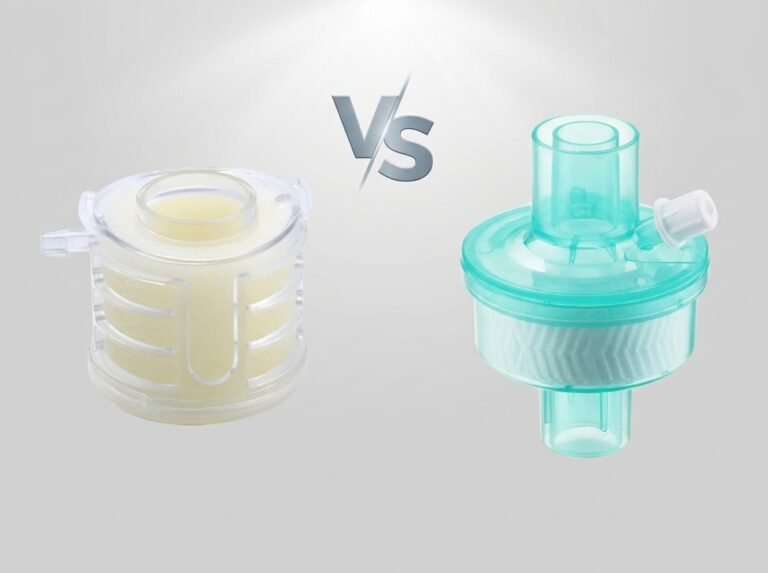
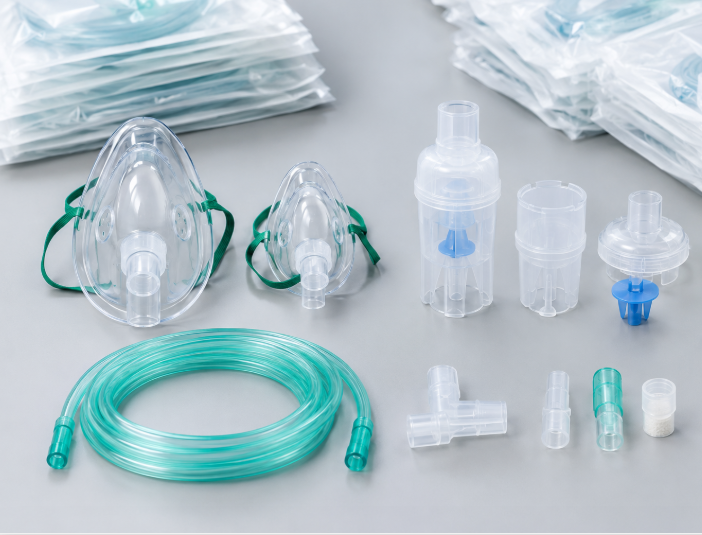
A complete respiratory care product portfolio can also include:Oxygen masks,Nebulizer masks,Nebulizer kits,Breathing circuits,Bacterial and viral filters,Suction catheters,Endotracheal tubes,Tracheostomy-related consumables,Oxygen tubing.
For distributors, compatibility between the primary respiratory device and its consumables is an important sourcing consideration.
Regulatory and Manufacturing Considerations
The difference between a respirator and a ventilator also extends to manufacturing and regulatory requirements.
Respiratory protective devices are generally evaluated according to standards governing filtration performance, fit, breathing resistance, and protection against airborne hazards. Requirements vary according to the target market and product category.
Medical ventilators, meanwhile, are active medical devices with substantially more complex safety and performance requirements. Manufacturers need to address areas such as:Gas-flow accuracy,Pressure control,Alarm systems,Electrical safety,Software safety,Biocompatibility where applicable,Breathing-circuit compatibility,Risk management,Production quality control,Product verification and validation.
For international buyers, regulatory requirements should always be confirmed according to the destination market and exact device classification.
Why the Terminology Matters for B2B Procurement
The distinction between these products is not simply a matter of vocabulary.
When preparing an RFQ, distributors should clearly define:Intended use,Patient or user population,Device type,Required performance parameters,Applicable standards,Target market,Packaging requirements,OEM/ODM requirements,Required documentation.
Using the correct terminology helps manufacturers provide accurate quotations and technical documentation.
It also reduces the risk of sourcing a product that does not match the intended application.
A Multilingual Note for Spanish-Market Buyers
Spanish-speaking buyers may search for respiratory equipment using the term “dispositivos respiratorios”, meaning respiratory devices.
However, this is a broad category rather than a specific device designation. Buyers should still specify whether they require respiratory protection equipment, ventilators, oxygen-delivery devices, or respiratory consumables when communicating with international manufacturers.
Perguntas Frequentes
Conclusion: Source the Right Respiratory Product From the Right Manufacturer
Understanding the difference between a respirator and a ventilator is fundamental for international medical device procurement.
Respirators primarily protect users from airborne hazards, while ventilators provide active respiratory support. They have different operating principles, users, applications, engineering requirements, and regulatory considerations.
For medical importers and distributors, accurate product specifications are the first step toward building a reliable respiratory portfolio.
Weishan Tech specializes in respiratory consumables and OEM/ODM manufacturing for international medical device companies. Our product portfolio includes oxygen masks, nebulizer kits, suction catheters, breathing circuits, respiratory filters, and other respiratory care products.
If you are developing a respiratory product line or looking for an experienced OEM/ODM manufacturing partner, contact Weishan Tech to discuss your product specifications, customization requirements, and target market.
Perguntas Frequentes
Start with the intended use, target users, clinical application, required performance, regulatory market, and compatible consumables. The device should then be sourced from a qualified manufacturer with appropriate quality and technical documentation.
No. A respirator is designed for respiratory protection and does not normally provide mechanical ventilation or controlled gas delivery to a patient.
A respirator protects the wearer by filtering airborne contaminants, while a ventilator supports or controls a patient’s breathing by delivering air or an air-oxygen mixture.