
Anesthesia Masks: A Practical Guide to Airway Management and Clinical Selection

Anesthesia masks are essential airway-management devices used to deliver oxygen, anesthetic gases, and assisted ventilation during anesthesia. Unlike a standard oxygen mask, an anesthesia mask is designed to create a relatively effective seal around the patient’s nose and mouth and connect to an anesthesia breathing system.
For hospitals, anesthesia providers, and medical-device distributors, understanding mask design, fit, materials, and clinical application is important when selecting a reliable mask for anesthesia.
What Is an Anesthesia Mask?
An anesthesia mask is a medical face mask designed to cover the patient’s nose and mouth while connecting to an anesthesia breathing circuit. It can support preoxygenation, spontaneous ventilation, positive-pressure ventilation, and—in selected procedures—general anesthesia delivered through the mask.
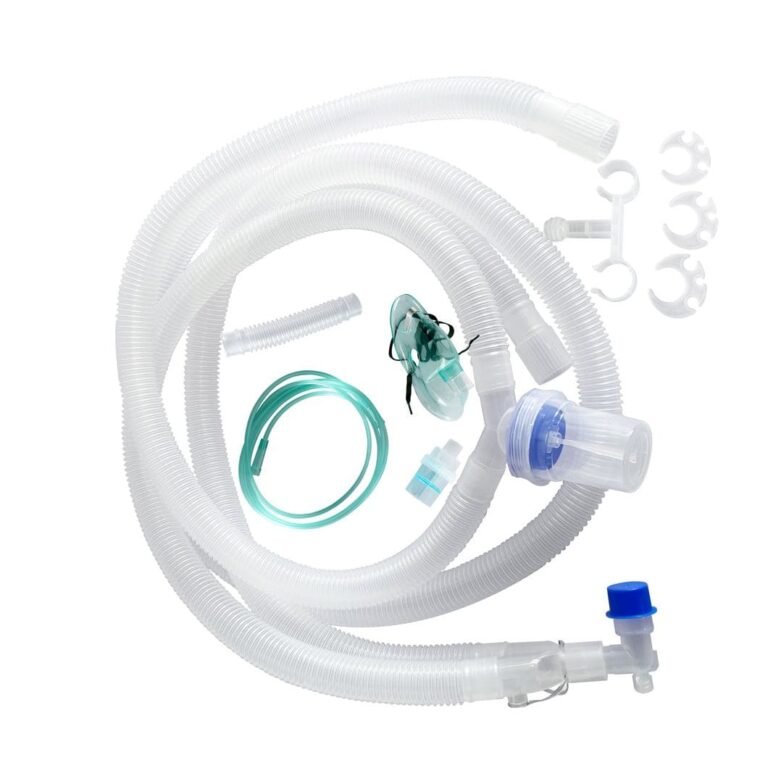
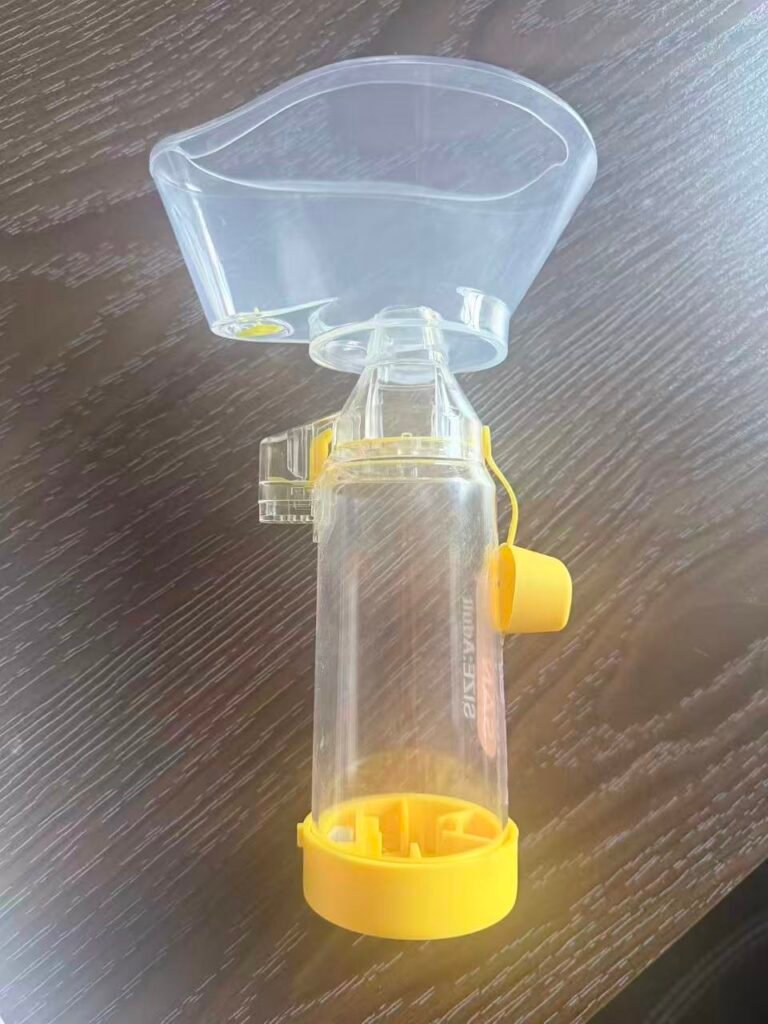
The mask normally consists of three key components:
- Mask body: Usually transparent to allow observation of the patient’s face and exhaled condensation.
- Cushion or sealing rim: Helps conform to different facial contours and reduce gas leakage.
- Connector: Connects the mask to the anesthesia breathing circuit.
A properly fitted mask must provide an effective seal while avoiding excessive pressure on the patient’s face.
How Are Anesthesia Masks Used?
During induction, an anesthesiologist mask may be used to deliver oxygen and inhaled anesthetic gases while the patient breathes spontaneously. It can also be used for assisted or controlled ventilation before intubation or when an alternative airway device is required.
Depending on the clinical situation, anesthesia masks may therefore support:
- Preoxygenation before induction.
- Mask ventilation during induction of anesthesia.
- Positive-pressure ventilation when spontaneous breathing is inadequate.
- Short procedures using general mask anesthesia in appropriately selected patients.
- Rescue ventilation when intubation is difficult or temporarily unsuccessful.
An anesthesia mask is not, however, a substitute for a secured airway in every patient. Mask ventilation provides no definitive protection against pulmonary aspiration, so patient selection and airway assessment remain critical.
Anesthesia Mask vs. Oxygen Mask
The terms anesthesia gas mask, anesthetic gas mask, and gas mask anesthesia are sometimes used interchangeably in online searches, but they should not be confused with industrial protective gas masks.
An anesthesia mask is specifically designed to interface with an anesthesia breathing system. It must accommodate the delivery of controlled respiratory gases and may be used for positive-pressure ventilation. A conventional oxygen mask is primarily intended for supplemental oxygen delivery and does not provide the same airway-management function.
Key Factors When Selecting Anesthesia Masks
For medical procurement teams, several factors deserve attention:
1. Facial Seal
A poor seal can cause gas leakage and inadequate ventilation. The cushion should conform to different facial shapes without requiring excessive pressure.
2. Size Range
Adult, pediatric, and infant patients have substantially different facial anatomy. Multiple sizes should therefore be available, particularly in hospitals treating both adults and children.
3. Transparency
A transparent mask allows clinicians to observe condensation, facial color, secretions, and possible regurgitation during airway management.
4. Dead Space
For smaller patients, minimizing internal mask volume is particularly important because excessive apparatus dead space can affect effective ventilation.
5. Connector Compatibility
The connector must be compatible with the intended anesthesia breathing circuit and accessories. Procurement specifications should clearly identify connector dimensions and intended circuit compatibility.
No. A nebulizer mask is designed primarily to deliver aerosolized medication. An anesthesia mask is designed for airway management and connection to an anesthesia breathing system.
Yes. In appropriately selected cases, general mask anesthesia can be used for spontaneous or assisted ventilation. However, the appropriate airway strategy depends on the procedure, patient characteristics, aspiration risk, and clinical judgment.
Choosing a Reliable Anesthesia Mask Supplier
For hospitals, distributors, and medical-device brands, product selection should go beyond price. Material quality, dimensional consistency, connector compatibility, sealing performance, packaging, sterilization status where applicable, quality-management systems, and regulatory documentation should all be evaluated.
Weishan Tech focuses on medical respiratory consumables and supports OEM/ODM supply for international medical-device markets. For buyers sourcing anesthesia masks and related respiratory products, a supplier with controlled manufacturing processes and consistent quality specifications can help reduce supply-chain risk.