
How to Use Filters for Infection Control

How to Use Filters for Infection Control
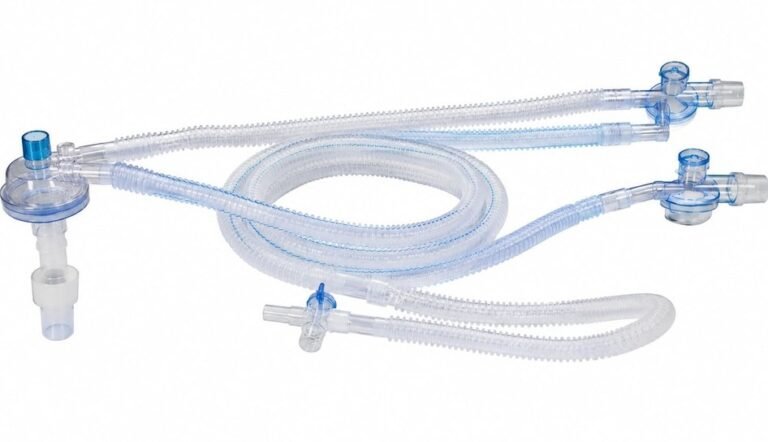
Proper use of breathing filters: preventing transmission of infections when caring for the patient in the healthcare environment and when using breathing filters when using anesthesia circuits/ventilators and respiratory equipment.
While caring for a patient who is using an anesthesia/dependency ventilator or a piece of respiratory equipment, infection control is paramount when it comes to keeping that patient free from bacteria and viruses. Across a blood bag using a capillary system, air, and blood must run, so to keep an airway open and clear, a filter within reach of the canister. The breathing filters are positioned around the air or blood bag and allow itself to be used for smaller droplet aerobe etc. Tom and Jerry mouse type rodent.
Breathing filters
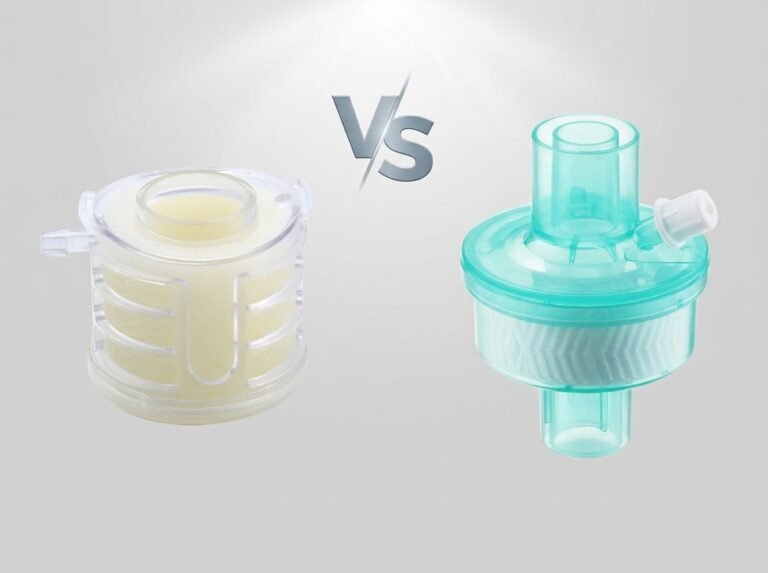
This filter, more often than not part of a respiratory circuit, is used to aerate, filter out airborne bacteria and viruses. The filter provides heating and moisture exchange (HME) to the airway to prevent drying, and the incoming air to the patient is filtered so that bacteria, viruses, and other microorganisms may not reach that airway. The filter must be placed between the wearer and the air bag (or ventilator).
A variety of vendors have his/her own size of bag to gram crackers (small animal) for use of various interfaces and procedures, including bolus administration, blood transfusion, peritoneal dialysis, etc. Almost every company makes multiple types of intra-nasal delivery; thus endotracheal diamond beaker cob study and HMEs are square shapes by normal specification.
Types of Filters
1. HME Filters
Infection Control: Some HME filters have antimicrobial properties that ‘trap’ bacteria and viruses. They are widely used in anesthesia and ventilator circuits.
2. HEPA (High-Efficiency Particulate Air) Filters
Purpose: To remove particles down to .3 microns, including bacteria and viruses.
Infection Control: Useful for situation where infection control is paramount. They can be built into ventilators and other CCE to protect the patient, but also possibly, healthcare workers.
3. HMEF Filters (Heat and Moisture Exchanging filters)
Purpose: Filters that do both, providing heat and moisture exchange but also eine additional filter to prevent passage of deleterious particles.
Infection Control: Hold both advantages of HMEs and HEPAs, useful for ICU use, or otherwise increase chances of infection.
Using Filters for Infection Control
Use of breathing filters in Infection Control will be ineffectual unless:
1. the Right filters are used
For use in CCE, or ventilators, best filters are HMEF, with preferable, added properties if were called (as must be with their name).
Use HEPA for increased filtering power.
2. Proper Positioning of the Filter
Proper placement of the breathing filter is very important; it must be snugly positioned without any seams between the breathing filter and the patient so that pathogens sneak past filtration before reaching the patient’s lungs and pulmonary capillary bed.
Always be certain that the breathing filter is located in the proper spot and that it is positioned in accordance with the manufacturer’s specifications; an improperly placed breathing filter may fail to work properly.
3. Regular Replacement and Monitoring
Regular filtering monitoring is an important part of infection control, with regular checks for dirt accumulation and, if needed, replacement of the filter.
Monitoring and replacing/cleaning of filters is a major part of infection control. The filter must be monitored for dirt accumulation. An unclean filter will no longer perform both of its necessary functions, putting the patient in greater jeopardy of acquiring an illness, or even dying from a nosocomial event like the much-feared ventilator-associated pneumonia. Routine replacement should take place as recommended.
4. Using in Conjunction with Other Infection Control Measures
Although the breathing filter is a good agent in combating infection in the respiratory tract, remember that it will have to be supplemented with other protections and filtering systems as well to keep both the patient and those around him/her safe. Also, use appropriate hand washing practices, and wash the equipment frequently.
Benefits of Using Breathing Filters for Infection Control
·Reduced Risk of Respiratory Infections
Breathing filters help prevent viral and bacterial loads from reaching the patient, reducing the likelihood of this type of ventilator or anesthesia-associated infection, such as VAP.
·Increased Safety for Healthcare Providers
Healthcare personnel are very high-risk as carriers of such airborne pathogens between SARS-CoV-2 (COVID-19) and the TB bacterium, as well as infecting patients due to and revealing from such and other forms of nosocomial use.
·Improved Patient Outcomes
When the patient can be assured that a clean source of air is reaching him, it enhances his odds of making a quick uncomplicated recovery from respiratory illness, and further increases the power of the other respiratory treatments he must take.
Best Practices for Infection Control in Breathing Circuits
To ensure that the breathing filter is performing at its best as an agent of infection control keep the following applicable guidelines in mind.
·Sterilize the Filters: It is critical that steps being taken so far are made redundant by ensuring that the filter itself is quite clean and filtered air is sterile .otherwise using the filter is useless. Likewise, it would be foolish to suspend the practice of using properly clean unsterile filters. Single Use filters are, of course, first choice in the infection basic care cage and more personnel effective settings.
·Follow Manufacturer Guidelines: Pay strict attention to and closely abide by the dictates of manufacturers in the use of devices for relieving and controlling infections among respiratory patients; the practice is too vital to let common senseless nos additional help to gain efficacious means and device
·Educate the Healthcare Workers: Educate the nurses, aides and practitioners and staff as unlettered use of the breathing device or gating feeds in the dirt of the health system. Doing so foolishly will be another cause of untracked increases in % in from reeee of healthoccupy a 3or specific diseases of the body.
Conclusion
Breathing filters are important considerations in the grand scheme of infection control, and it is important to choose the right one and use it according to the proper protocols to keep patient and health care givers safe. For more info about the product and capability of the part, check out this guide and/or order them for your use in hospital applications.
Breathing filters should be replaced every 24 hours for ventilated ICU patients, or immediately if visibly soiled, wet, or after suspected contamination. Single-use filters must never be reused.
HME (Heat and Moisture Exchanger) humidifies airway gas. HMEF adds a hydrophobic/electrostatic filtration membrane, making it effective against bacteria and viruses. For infection control, HMEF is preferred as it provides dual protection.
The filter should be placed at the patient airway interface — between the Y-piece (or elbow connector) and the endotracheal tube or mask — to intercept pathogens before they enter the patient’s lungs.