
Jak nainstalovat komoru zvlhčovače

Jak nainstalovat komoru zvlhčovače
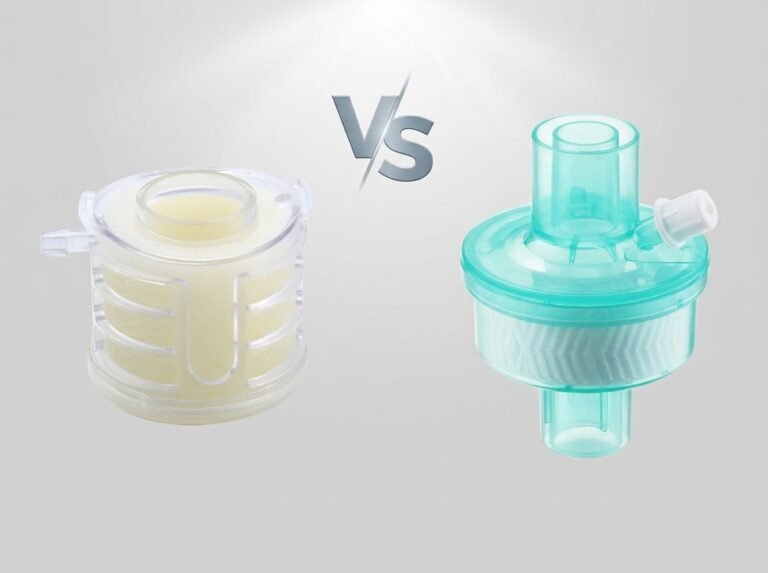
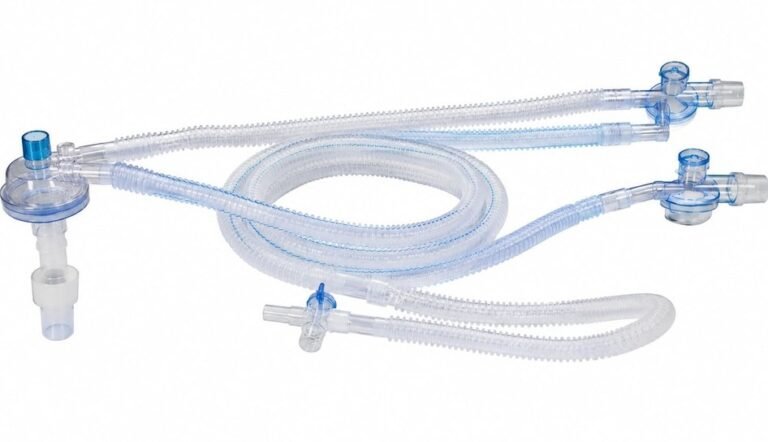
Sometimes the humidifier chamber is referred to as such because of the ability to add moisture. Where do you put it? Easy, really. Connect the patient end of the breathing circuit to the reducer on the patient side of the humidifier circuit and touch the switch. Humidifier chambers are used routinely in anaesthesia and in critical care. They deliver air in a humidified condition, so patients do not receive excessively dry air. Correct installation in a proper breathing circuit is paramount. Whether you are a nursing student preparing a breathing circuit for patient anaesthesia, or a junior doctor preparing a ventilator in ICU understanding how to install a breathing circuit is essential.
1.Collect the necessary equipment
Before proceeding gather all the components you are going to use:
• humidifier chamber ( for your particular breathing circuit set up)
• breathing circuit tubing (conforming to humidifier chamber)
• horse for the humidification process (sterile or distilled water is best to prevent bacterial growth)
• anesthesia machine or ventilator (to be joined to the humidifier chamber)
• clamps (for the sealing of junctions)
• temperature or humidity control (if desirable to control settings)
2. Check that the unit is suited for your breathing circuit
There are many differing kinds of humidifier chamber, and most of them are suited only for use with particular types of breathing circuit (in this case smoothbore, corrugated etc.) and the particular breathing circuit in use for a given patient is best suited for a particular kind (disposable or reusable, for example). Compare all constituent components and match them carefully. Ascertain that the humidifier chamber fits in all conjunction with the other property you wish to employ.
• Anesthesia Circuit: Can this humidifier chamber be utilized with the anesthesia machine? Does the machine have need of use of smoothly moderated humidity, moderated to accuracy, in order to attain correct anesthetic to the patient?
• Ventilator Circuit: Patients on ventilators often do best if an inspiratory humidifier chamber with removable water-well is employed adjustable as to humidity and temperature.
3.1. Install the humidifier chamber in circuit.
If possible, fit the humidifier chamber to the breathing circuit so that it will reside there while in use. Most humidifiers prevent the possibility of drying out the compressor while using. Also fit the inlet and outlet ports so that the inlet port of the humidifier chamber may be connected to the breathing circuit and the humidifier chamber itself. Be sure the tubing is fitted so that there are no “gaps” allowing air to seep into the system.
2. Secure humidifier chamber.
Be sure the humidifier chamber is tightly fastened and not sliding around; clamps and/or other securing devices may be necessary. Check all connections to be sure there are no leaks. If the air seeps into the system it impairs the humidifying efficiency.
Chamber should be filled with sterile water. Fill with sterile or distilled water (as indicated by mfr.) up to the marked level and do not under or fill it or use too much water in it. Water would be drawn off and not humidify. Note that liver is “big” and may prevent secondary tubings, and so forth, from dropping into proper reservoir as required.
3. Connect breathing circuit to Anesthesia Machine or Ventilator.
Connect the humidifier chamber to the anesthesia machine or ventilator as indicated by mfr. Connect the breathing circuit and outros distant at points as needed. Close and try to drop anesthetic agent gas.
Tighten the connection and make sure that the alignment is proper; that there is no leak where chamber is attached to gas delivery.
Anesthetizer.
Set machine so that gas will be delivered through the humidifier chamber at the correct rate, many mechanisms being provided with built-in humidifying facilities. In the remainder adjustment of the temperature is necessary.
Ventilator.
If the humidifier is used in connection with the ventilator, special attention must be given the adjustment of the ventilator, especially where the humidifier chamber would or might modify the gas delivery system. This may require changing the flow, setting or reducing the humidity and also the temperature as indicated and as the need may arise.
Testing of the humidifier chamber.
After the chamber is in, and the patient has been connected, it will be wise to put the chamber on test for a short run to be certain it is working properly. Among other things, it must be tested for the following:
Humidity. This must of course be within the prescribed degree for that patient. Many of the chambers have built-in measuring facilities.
Airs flow. Make sure that air is flowing freely and that nothing is plugged up to obstruct the system.
Temperature. If the humidifier involves a temperature control, this must be adjusted as necessary for the needs of the patient.
Monitoring.
After the humidifier has been placed in position and the patient connected to the circuit, it is emphasized that this system be monitored constantly. The humidity must be kept at the prescribed degree, and the water in the chambers must be permitted to run dry or the affect of clearing the airway is lost.
Watch for any sign of leakage or disengagement.
Be aware of the need of a change of water in the humidifier chamber regularly; this should be done after each use.
Make a habit of giving chambers a thorough cleaning regularly, with due regard to having the most desirable cleaning agents on hand; the dishwasher type are ideal for this, but sterilizer or other cleaning solutions approved may be necessary for some. Most chambers should be cleaned at least after every other use.
While cleaning, keep a sharp lookout for cracks or other signs of wear which would reduce the effectiveness of the chamber. Be familiar with the chamber and parts into which a defective one may throw it out.
Stabilization.
Be sure, of course, the humidifier chamber is functioning properly and is in place before using for any operation.
Water;
use distilled or properly sterilized water only for filling, or it will open the door to “colonization” of the chamber.
Compatible:
make certain it is a chamber designed for use with the particular breathing circuit and medial apparatus desired. Of course, whenever possible be certain you are getting correct parts and pieces such as humidifier chambers, breathing circuits or other oem supplies the first time. We await your order. They make it an even greater pleasure for us to know that you are getting the top quality chamber or humidifier. Properly installed the humidifier chamber will do the job and the humidifying chamber will properly hum in its place. Properly installed bubblers, the pulsating air valve of the breathing circuit, are actually breathed in, without a question at all. This should be quite enough distraction during the difficult opt exertions, and will keep things from drying out.