
توفير المستلزمات الطبية في الشرق الأوسط

Sourcing Medical Consumables in the Middle East: A Buyer’s Guide to Regional Suppliers and Global Alternatives
Introduction: The State of the Middle East’s Medical Device Supply Chain
The Middle East healthcare sector has grown into one of the most well-funded and technologically advanced markets globally, driven by ambitious national health strategies (Qatar National Vision 2030, Saudi Vision 2030, UAE’s healthcare investment programs), a rapidly expanding private hospital network, and continuous infrastructure spending across the GCC. As demand for medical supplies in Qatar and disposable medical consumables — syringes, needles, infusion sets, respiratory and anesthesia devices — continues to rise, international buyers and regional distributors are paying closer attention to which medical equipment suppliers in Qatar and across the wider region can reliably support large-scale procurement.
Within this landscape, one of the most frequently referenced local names is the Qatari German Company for Medical Devices, known in the industry as QGMD or simply “Qatari German.” Its name and European engineering partnerships mean it also surfaces frequently in searches for a list of German companies in Qatar, even though it is a Qatar-incorporated manufacturer rather than a German-owned entity. For procurement teams researching Qatari German medical devices, this is often the first name that surfaces among domestic medical equipment companies in Qatar — though it represents only one part of a much larger regional supply landscape.
For international buyers, GCC distributors, and hospital procurement officers sourcing at scale across Saudi Arabia, the UAE, Kuwait, Oman, and beyond, relying on a handful of national manufacturers raises a natural question: what happens when order volumes, product categories, or customization needs exceed what regional producers — or the broader pool of local medical trading companies in Qatar and neighboring markets — can offer? This guide takes an objective look at the current regional supply landscape and where global sourcing alternatives, particularly from established Chinese manufacturers, fit into a resilient Middle East procurement strategy.
Understanding the Region’s Local Manufacturing and Trading Landscape
Manufacturing capability across the Middle East medical device sector remains concentrated in a small number of countries, with Qatar, Saudi Arabia, and the UAE hosting the region’s most active production and trading hubs. Names like the Qatari German company for medical devices are frequently mentioned in this context, alongside a much larger ecosystem of import-focused trading companies that resell products sourced from Europe, the US, and Asia rather than manufacturing locally.
For buyers whose needs stop at a narrow category such as syringes and needles, one or two well-known regional names may be a reasonable starting point. However, most modern hospital and distributor procurement lists extend far beyond a single product line — covering respiratory therapy, anesthesia consumables, wound care, IV administration sets, and PPE — categories where smaller, regionally focused manufacturers or trading intermediaries may not offer full coverage or manufacturing-level cost control.
Market Challenges: Where a Single-Source Regional Strategy Falls Short
International buyers and regional distributors sourcing across the Middle East commonly encounter a few structural limitations that are typical of smaller, regionally focused manufacturers and trading firms:
1. Limited Product Category Breadth
A manufacturer focused primarily on syringes and needles may not produce the full range of consumables a hospital group or distributor needs — leaving buyers to manage multiple supplier relationships across categories like respiratory circuits, anesthesia masks, and infusion accessories.
2. Production Capacity Constraints
Regional manufacturers with a single facility often have finite production capacity. During periods of high demand — seasonal flu surges, regional health emergencies, or large tender fulfillment across multiple GCC countries — buyers may face longer lead times or allocation limits.
3. Dependence on Intermediary Trading Structures
Many local medical trading companies in Qatar and neighboring markets operate as resellers rather than manufacturers, meaning buyers effectively pay an added distribution markup and inherit the lead-time and quality-consistency risks of whichever overseas factory the trading company sources from — often without direct visibility into that factory’s certifications.
4. Restricted OEM/ODM Flexibility
Distributors building their own private-label lines, or hospital groups needing product specifications tailored to local clinical protocols, may find limited customization options if a manufacturer’s production lines are optimized for standard SKUs, or if a trading partner has no manufacturing control at all.
5. Minimum Order Quantities and Pricing at Scale
Smaller regional producers and local trading firms may not offer the same cost efficiencies at high volume that dedicated export-focused manufacturing hubs can provide, particularly for buyers consolidating annual tender purchases across multiple Middle East markets.
These are not shortcomings unique to any single company — they are common characteristics of localized manufacturing and import-based trading operating within smaller domestic markets across the region. Recognizing them simply allows buyers to build a more diversified, risk-resilient supply chain.
The Case for Diversified Sourcing: Why Middle East Buyers Look Beyond the Region
Given these realities, an increasing number of GCC-based distributors and hospital procurement departments are turning to established international manufacturers — particularly in China’s mature medical device export sector — to complement or diversify away from single-region sourcing through local medical equipment suppliers in Qatar and other Middle East markets alone.
China has become a global production hub for medical consumables specifically because it combines:
- Broad product portfolios spanning respiratory, anesthesia, infusion, and general consumables under one roof
- High-volume manufacturing capacity capable of supporting large tenders and continuous replenishment across multiple countries simultaneously
- Mature export compliance infrastructure, including CE marking and ISO 13485 certification as standard practice
- Direct factory pricing, removing the intermediary markups typical of trading-company models
- Flexible OEM/ODM programs that allow distributors to build branded product lines without owning factories
Our Solution: Weishan Tech as a Reliable Sourcing Partner for the Middle East
This is where ويشان تيك positions itself as a practical alternative — and complement — to single-source regional procurement. As a China-based manufacturer specializing in respiratory, anesthesia, and related medical consumables, Weishan Tech is built specifically to serve the export needs of Middle Eastern distributors, hospital groups, and procurement agencies across Qatar, Saudi Arabia, the UAE, Kuwait, and beyond — looking for scale, consistency, and flexibility beyond what typical medical equipment companies in Qatar or elsewhere in the region can independently provide.
Core Product Focus
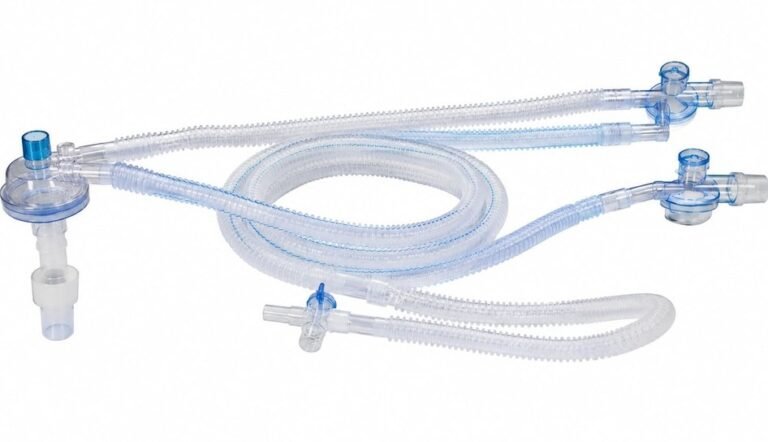
- Anesthesia breathing circuits and masks
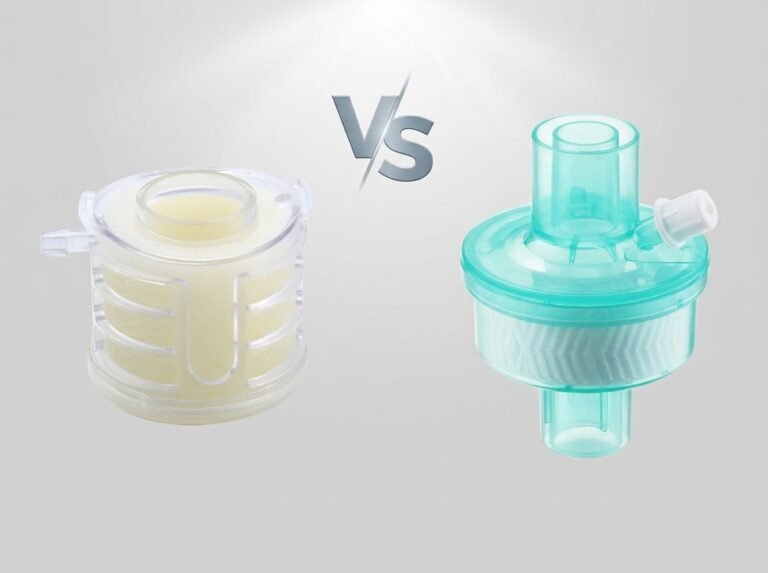
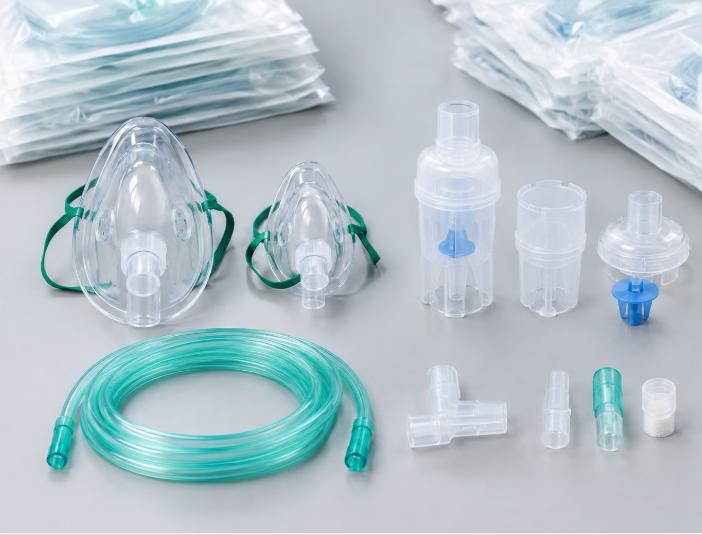
- Oxygen delivery and respiratory consumables (nasal cannulas, oxygen masks, nebulizers)
- Suction and drainage consumables
- Infusion and general disposable medical supplies
Why Middle East Buyers Choose Weishan Tech
Certified Quality Standards Weishan Tech’s product lines are manufactured under ISO 13485 quality management systems, with CE certification covering applicable product categories — meeting the same regulatory benchmarks that GCC health authorities and hospital procurement boards require for registration and tender eligibility.
Scalable Manufacturing Capacity Dedicated production lines support both standard bulk orders and large-volume tender fulfillment across multiple Middle East markets simultaneously, helping distributors avoid the supply interruptions that can occur with smaller, single-facility manufacturers or trading intermediaries.
OEM/ODM Support For distributors building private-label product lines for Qatar or the wider GCC market, Weishan Tech offers:
- Custom packaging and branding
- Product specification adjustments
- Private-label documentation support for local registration
Export-Ready Logistics With established experience shipping to Middle Eastern markets, Weishan Tech understands the documentation, labeling, and regulatory registration requirements specific to GCC health authorities — helping buyers bypass the added layer of a local trading intermediary.
Building a Resilient Middle East Procurement Strategy
For hospital groups, distributors, and government procurement bodies operating across the Middle East, the most resilient approach isn’t necessarily choosing between local and international suppliers — it’s building a diversified sourcing matrix that combines:
- Trusted regional partners such as QGMD for locally manufactured syringes and needles
- A scalable international manufacturer like Weishan Tech for respiratory, anesthesia, and broader consumable categories
- Selective use of local medical trading companies in Qatar and neighboring countries for niche or urgent local-stock needs
- Backup suppliers to mitigate capacity or lead-time risk during regional demand surges
This layered approach reduces single-point-of-failure risk, improves negotiating leverage, and ensures continuity of supply regardless of country-specific disruptions.
Final Thoughts
Local medical device manufacturing across the Middle East, led by companies like the Qatari German Company for Medical Devices in Qatar, plays an important role in the region’s healthcare supply chain — particularly for injection devices — and sits alongside a broader network of national trading firms. But for buyers managing broader consumable categories, higher order volumes, or private-label ambitions across multiple GCC markets, complementing local sourcing with an established international manufacturer is a practical, increasingly common strategy among leading medical equipment companies in the region.
If you’re evaluating suppliers for respiratory, anesthesia, or general medical consumables anywhere in Qatar or the wider Middle East, Weishan Tech offers certified quality, manufacturing scale, and OEM/ODM flexibility built for exactly this kind of procurement need. Reach out to our team to discuss product specifications, certification documentation, or a sample evaluation for your next tender.
Related Reading
- Top Medical Trading Companies in the Middle East: A Buyer’s Comparison — coming soon
- Qatar Medical Device Import & Registration Guide for Distributors — coming soon
- UAE Medical Equipment Suppliers: A Regional Sourcing Overview — coming soon
- Saudi Arabia Medical Device Import & Registration Guide for Distributors — coming soon.
A: The Middle East has a small but growing base of local medical device manufacturers, concentrated mainly in Qatar, Saudi Arabia, and the UAE. Most are focused on narrow categories such as syringes and needles, while broader consumable categories — including respiratory, anesthesia, and infusion products — are typically covered by regional trading companies or international manufacturers.
A: Local Middle East manufacturers and trading companies typically face five common limitations: narrow product category coverage, limited production capacity during demand surges, dependence on intermediary trading markups, restricted OEM/ODM customization, and less competitive pricing at high order volumes. These constraints are common across smaller, regionally focused suppliers rather than specific to any single company, which is why many distributors diversify with international manufacturing partners.
A: Chinese manufacturers such as Weishan Tech offer CE and ISO 13485-certified respiratory, anesthesia, and infusion consumables at scale, along with OEM/ODM support for private-label distribution. This allows Middle East buyers to diversify beyond single-region suppliers, access broader product portfolios, and secure more competitive pricing for large-volume tenders — while still meeting the regulatory standards required by GCC health authorities.