
كيفية التعرف على دوائر التنفس عالية الجودة

كيفية التعرف على دوائر التنفس عالية الجودة
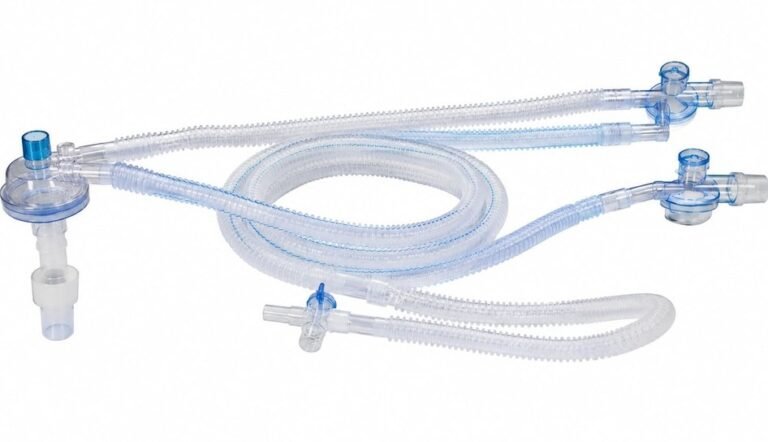
دوائر التنفس
دوائر used for breathing are integral items of anaesthesia machines and ventilation gear delivering gases to the patient. Wherever a breathing circuit makes a difference – it’s usually in assuring the best performance, service life and safety. Learn how to spot a good one – start at the base.
1. Material
The material of which breathing circuits are composed is fundamental to their quality, and life expctency. Generally, best if of synthetic non-toxic flexible material – examples silicone, PVC, elastomeric polymers.
Wet and dry silicone tubing is extremely durable, resistant to cracking and will tolerate being sterilised and used many times, without loss of flexibility. PVC is also commonly seen, but circuit tends to be of much more rigid form which may become brittle with exposure to heat / chemicals. Ensure that the plastic has no harmful chemical additives to be liberated from the circuit for containment by the gases passing through the circuit, and ideally is tested to applicable standards.
2. Leak resistance
A high quality breathing circuit leaks not at all, so that the gas delivered is under exact control. Is it leak free? – Fittings provide tight seal.
Sealing Properties: The properties of the seals in the circuit should be such that they continue to be capable of sealing over the long course of use without wearing out / becoming defective in other way.
Leak Testing: One ought to check for leak in practical setting-up-insuring that seals made by the circuit do produce no leaks.
- Breathing circuits that are poorly sealed or that have cracks in them can lead to an unintentional loss of anesthetic gasses or reach the patient and therefore noticeably obstruct the ability to ventilate the patient.
2. Flexibility and Ease of Use
A دائرة تنفس should be flexible and easy to use. This is especially important in complex medical scenarios.
Corrugated tubing: These are flexible and readily bend which makes them easy to put into niches; however they may also increase resistance.
Smoothbore tubing: Though this decreases resistance it also serves to provide a more consistent flow of air in the tubing making it a good fit for an adults or any time a higher degree of airflow is needed.
Customisable options: Some circuit may also be more suited to the patient as they are ts medical personnel and may adjustable in length/size.
The circuit should be must yield flexible enough to easily slide about and into yet not obstruct any flow or invasive touch.
3. Compatibility with Filters and Humidifiers
A good quality breathing circuit must be compatable with filters and humidifiers, since delivery of the right temperature and humidity to the patient depends largely on their being present along the path of gasses reaching the humidifiers.
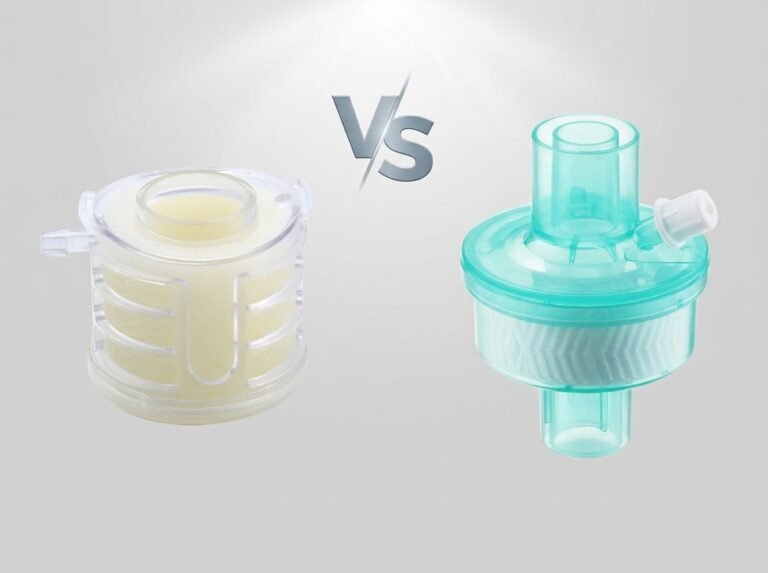
HMEs (Heat and Moisture Exchange filters) Ideally, there should be space for these filters.
· HME filter size/type: Confirm that the circuit you select is designed for the right filter size and type.
· Humidifier chambers: The circuit should easily mate with humidifiers, so that the gases supplied are normal as to humidity and do not excessively dry out the patient’s airways.
Do check that the breathing circuit works well with another device and its components so as to provide for safe flow and minimal possibility of contamination.
5. Ease of Cleaning and Maintenance
A good breathing circuit should easily clean. Regular cleaning of the circuit is important to avoid the build-up of bacteria and other foreign matter which could impede the circuit function and also provide a hazard to the patient.
· Reusable circuits: Look for a circuit which is composed of materials easy to sterilize, which do not damage the materials framing the respiration path. Some may be autoclavable. Others may sometimes be cleaned and disinfected regularly by carefully hand cleaning.
· Disposable circuits: Inexpensive and composed so as to maintain perfect integrity without premature degradation from common use.
Proper instructions as to maintenance should always be available with the circuit.
6. Compliance with Medical Standards
For a quality circuit, be certain that it complies with the appropriate medical standards. This assurance keeps you from accidentally purchasing a sub-standard dangerous product.
6. Cost of ownership
Along with the above quality certification you should calculate the costs of keeping the breathing circuit well. To keep the life of the product long, you must maintain it, and many times this is higher than for the cost of a new circuit! It’s also nice to compare disposable circuits as opposed to reusable types. Though disposables have many advantages, actually if you are willing to place in the work to clean the reusable, those types could actually save you money!
7. Manufacturer reputation
Plug for a trustworthy manufacturer which will regularly produce quality circuits. You don’t need to place your patients in the hands of some fly-by-night company.
Conclusion. Aim for quality breathing circuits
From this article, you can see that it is not that hard to find circuits of high quality, and will know what you are looking for when you go hunting for your next supply of circuits. And remember again, the most important thing to you, is the safety of your patient, so be wise.
High-quality circuits must comply with ISO 5367 for anesthetic and respiratory equipment