
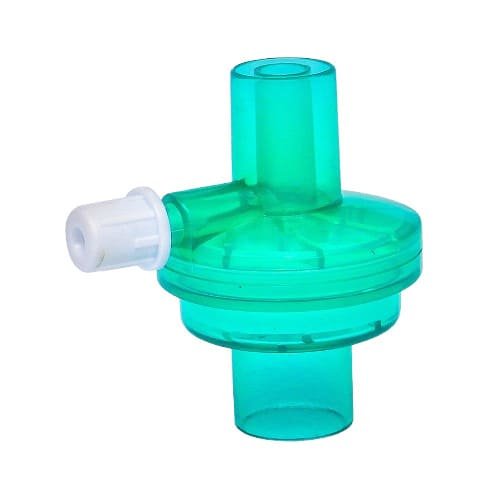
Pediatric HME Filter for Ventilation | Low Dead Space & Superior Moisture Retention
Pediatric HME Filter for Ventilation | Low Dead Space & Superior Moisture Retention
Product Overview
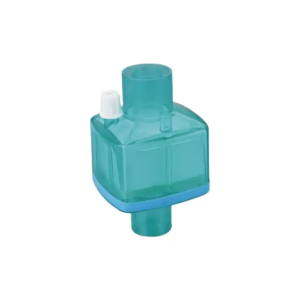
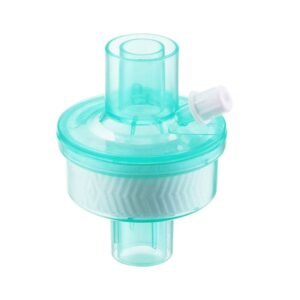
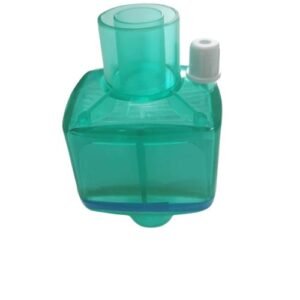
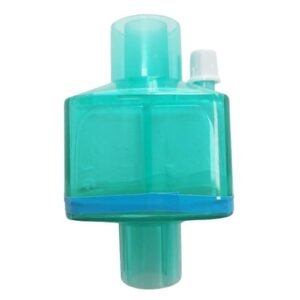
The Pediatric HME (Heat and Moisture Exchanger) Filter is purpose-engineered for young patients requiring mechanical ventilation support. Unlike adult-sized alternatives that compromise airway performance in smaller patients, this device is specifically calibrated for pediatric tidal volumes ranging from 75 ml to 500 ml — covering neonates through older children.
The compact, lightweight form factor minimizes added dead space in the breathing circuit — a critical consideration in pediatric ventilation where every milliliter of dead space can affect gas exchange efficiency.
Key Technical Specifications
| Parameter | Value | Clinical Significance |
| Recommended Tidal Volume | 75–500 ml | Covers neonatal through pediatric age groups |
| Moisture Output Loss | 8.4 mg H₂O/L air (at Vt 500 ml) | High moisture return to the patient’s airway |
| Flow Resistance | 75 Pa at 30 L/min | Low resistance reduces work of breathing |
Key Benefits for Medical Distributors
Broad Clinical Applicability — A single SKU serves patients from neonates to children up to approximately 30 kg, simplifying inventory management across pediatric wards, PICUs, and operating theaters.
Competitive Moisture Performance — The 8.4 mg H₂O/L moisture loss rating positions this filter favorably against competing products. Distributors can confidently present clinical data demonstrating superior airway humidification outcomes.
Reduced Total Cost of Ownership — By providing effective passive humidification, this HME filter can reduce the frequency of active humidifier use in appropriate pediatric cases — lowering consumable costs, maintenance burden, and bedside setup time for hospital clients.
FAQ
Q: Can this filter replace an active heated humidifier?
A: In many short-to-medium-term ventilation scenarios, this HME filter provides adequate humidification as a standalone passive solution. For prolonged ventilation exceeding 72–96 hours, or in patients with thick secretions, clinicians may still prefer active humidification. Always follow institutional protocols and the attending physician’s recommendations.
Related products

Disposable Medical HEPA Filter | Bacterial & Viral Filtration for Ventilators and Anesthesia
Filtros Trocadores de Calor e Umidade (HMEF)
Filtro HEPA Médico Desechable | Barrera Antibacteriana y Antiviral para UCI y Quirófano
Filtro HEPA Médico Descartável | Filtragem Bacteriana e Viral para Circuitos Respiratórios