
Global Medical Device Sourcing for Vietnam: How to Evaluate Manufacturers in India, China and Southeast Asia

Global Medical Device Sourcing for Vietnam: How to Evaluate Manufacturers in India, China and Southeast Asia
Vietnam’s healthcare market is becoming increasingly connected to international medical device supply chains. For Vietnamese distributors, hospital procurement teams, importers, and healthcare investors, the challenge is no longer simply finding a low-cost supplier. The real task is identifying a manufacturing partner that can provide consistent quality, regulatory documentation, competitive pricing, and reliable long-term supply.
This is particularly important when comparing suppliers from China, India, the Philippines, and other global manufacturing markets. A professional sourcing process should evaluate the manufacturer, product portfolio, quality system, regulatory capability, and export experience together.
For Vietnamese buyers, the right international supplier can become more than a vendor—it can become a strategic manufacturing and supply-chain partner.
Understanding the Global Medical Device Manufacturing Landscape
The international medical device market includes multinational corporations, specialized manufacturers, contract manufacturers, and regional suppliers serving specific clinical categories.
Large organizations such as ICU Medical Inc. demonstrate how specialized manufacturers can build international businesses around critical-care and infusion-related products. At the same time, companies described online through terms such as global medical devices inc, medical devices inc, or biomedical devices international represent a much broader category of businesses operating across different device segments and geographic markets.
Vietnamese buyers should therefore avoid judging a supplier simply by company size or search-engine visibility.
A professional supplier evaluation should consider:
| Evaluation factor | What Vietnamese buyers should verify |
| Manufacturing capability | Factory ownership, production lines, capacity and specialization |
| Quality management | ISO 13485 and documented quality-control procedures |
| Product documentation | Specifications, labeling, technical files and certificates |
| Regulatory experience | Experience supporting registrations in target markets |
| OEM/ODM capability | Private labeling, packaging and product customization |
| Supply reliability | Capacity planning, lead times and backup production |
| Export experience | Existing international markets and shipping documentation |
| Communication | Technical support, quotation speed and after-sales response |
The term medical devices company is therefore too broad to be useful on its own. A buyer needs to understand exactly what a manufacturer produces and whether its quality system matches the intended application.
For example, a hospital procurement department purchasing respiratory consumables has very different requirements from a distributor sourcing surgical instruments or diagnostic equipment.
The same principle applies when searching for medical equipment manufacturers. A supplier may manufacture medical products, but that does not automatically mean it has the production expertise, documentation, or regulatory infrastructure required for a specific product category.
Why India and China Remain Important Sourcing Markets
India has developed several important medical device manufacturing clusters. Invest India has previously identified approximately 800 domestic medical device manufacturers and several established manufacturing clusters, including regions around Haryana, Gujarat, Maharashtra, Karnataka, Andhra Pradesh/Telangana, and Tamil Nadu.
For buyers researching a list of medical device manufacturers in India, the more useful approach is to organize suppliers according to product category rather than simply creating a long company list.
India can be particularly attractive when a buyer needs specialized manufacturing capabilities, engineering expertise, or access to established medical technology clusters.
China offers another important sourcing route, particularly for high-volume consumables, OEM production, injection-molded components, disposable devices, and customized products.
The Ningbo Manufacturing Advantage
The phrase Ningbo medical often appears in international sourcing searches because Ningbo and the surrounding Zhejiang manufacturing region have developed substantial industrial capabilities across medical products, plastics, components, equipment, and export-oriented manufacturing.
Ningbo’s local government has specifically identified medical devices as an important industrial sector and has highlighted the development of high-end medical device clusters and supply-chain collaboration.
For an international buyer, the value of a manufacturing cluster is not simply the number of factories. It is the surrounding ecosystem of component suppliers, tooling companies, packaging manufacturers, testing services, logistics providers, and experienced export businesses.
This can make Chinese manufacturing hubs particularly suitable for OEM and long-term private-label programs.
What to Ask a Surgical Products Wholesaler
When evaluating a surgical products wholesaler, buyers should request more than a product catalogue.
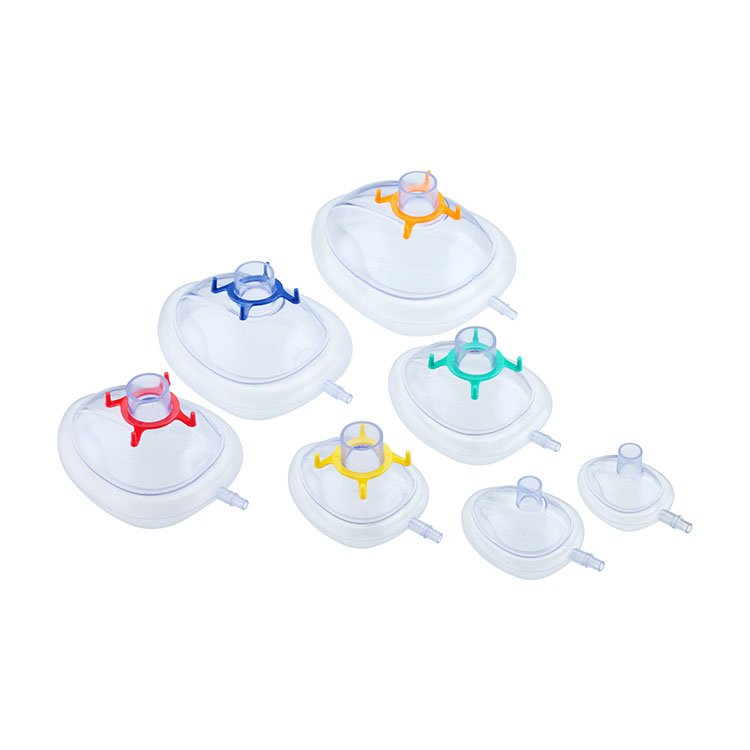
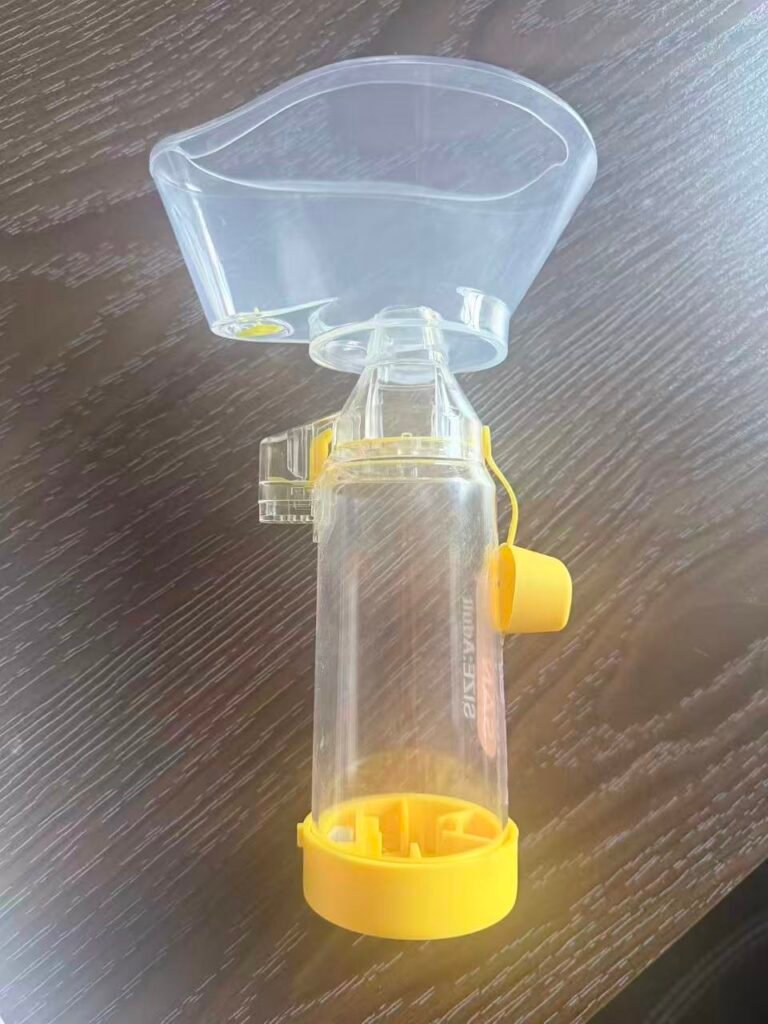
A detailed surgical products list with pictures is also useful for digital procurement. Clear product photographs combined with specifications, dimensions, materials, packaging information, and intended application allow distributors to compare suppliers much faster.
Images should support—not replace—technical documentation.
Vietnam and the Philippines: Understanding ASEAN Regulatory Requirements
International sourcing does not end when a buyer finds a competitive factory. Medical devices must also satisfy the regulatory requirements of the destination market.
Vietnam’s medical device framework is based principally on Decree 98/2021/ND-CP, which has subsequently been amended, including by Decree 04/2025/ND-CP. Vietnam’s Ministry of Health continues to publish updated regulatory documents and guidance for medical devices.
For Vietnamese importers, supplier selection should therefore include an early regulatory review.
Before placing a large order, buyers should confirm:Device classification,Applicable Vietnamese registration or declaration requirements,Manufacturer documentation,Product labeling requirements,Import documentation,Quality certificates,Authorized representation requirements where applicable.
The Philippines provides another useful ASEAN comparison.
The Philippine FDA regulates medical devices under its ASEAN-aligned framework. Administrative Order 2018-0002 established guidelines based on ASEAN Harmonized Technical Requirements, while subsequent FDA circulars have implemented notification and registration procedures for different device classes.
For example, the Philippine FDA’s current eServices system supports initial applications for a Certificate of Medical Device Notification (CMDN) for Class A devices.
This matters to a medical distributor Philippines because regulatory responsibility cannot simply be transferred to the overseas factory.
The same principle applies in Vietnam: an international manufacturer should provide appropriate technical and quality documentation, but the local importer or distributor must understand its own regulatory obligations.
Therefore, searches such as medical device registration Philippines can be useful even for Vietnamese buyers because they reveal how ASEAN markets are progressively aligning their regulatory approaches.
From “Medical Equipment Manufacturers Near Me” to Global Sourcing
A common purchasing behavior is to search for medical equipment manufacturers near me. Local suppliers can certainly provide advantages in communication, delivery, and service.
The objective should not be to replace local relationships with overseas suppliers. Instead, Vietnamese distributors can build a hybrid supply chain: local regulatory and distribution expertise combined with reliable international manufacturing.
How Vietnamese Buyers Should Evaluate a Manufacturing Partner
A practical sourcing process can be divided into five stages:
1. Define the product requirement
Specify clinical application, materials, dimensions, packaging, target market, and expected annual volume.
2. Shortlist manufacturers
Compare factories from China, India, Vietnam, and other relevant manufacturing markets according to actual product capability.
3. Verify documentation
Review ISO certification, product specifications, regulatory documentation, quality procedures, and manufacturing information.
4. Test samples
Evaluate product consistency, packaging, labeling, usability, and performance before committing to commercial quantities.
5. Build a long-term supply agreement
Once quality and regulatory requirements are confirmed, establish clear arrangements covering price, MOQ, lead time, inspection, complaints, replacement, and change control.
This process is more reliable than selecting a supplier solely from an online directory or catalogue.
Partnering with Weishan Tech for International Medical Device Sourcing
For Vietnamese medical distributors and importers, successful sourcing depends on more than finding the lowest quotation. The stronger approach is to identify a manufacturer that understands product quality, international documentation, OEM requirements, and long-term supply relationships.
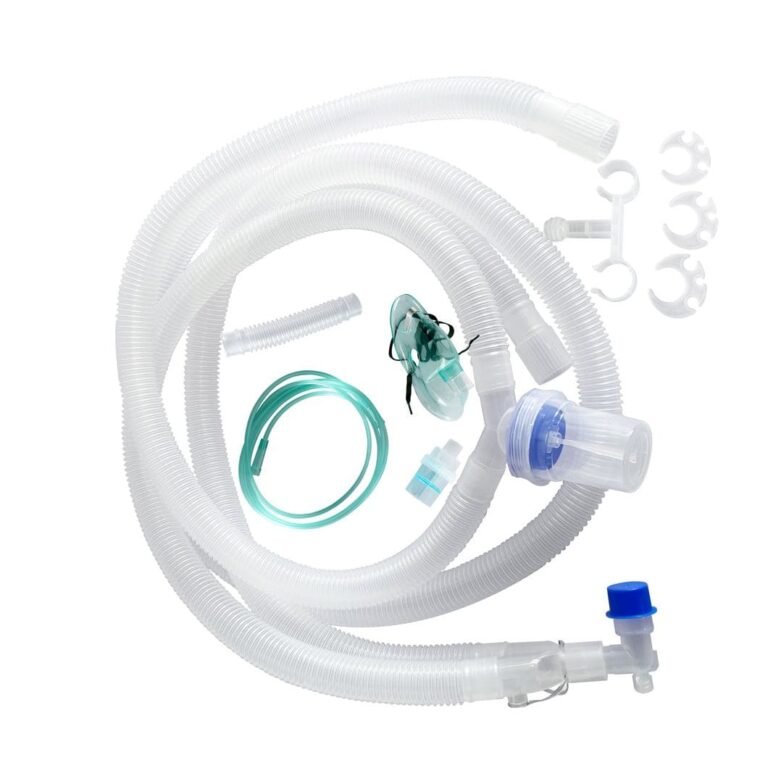
Weishan Tech focuses on medical respiratory consumables and international B2B supply, providing products such as oxygen masks, nebulizer kits, suction catheters, and related respiratory consumables for international buyers.
For distributors evaluating Chinese manufacturers, Weishan Tech can support the sourcing process from product selection and technical communication through OEM/ODM discussions and international supply.
Whether you are comparing Indian manufacturers, Chinese manufacturing clusters such as Ningbo, or suppliers across Southeast Asia, the same principle applies: evaluate the factory, the product, the quality system, and the regulatory pathway together.
For Vietnamese buyers seeking a dependable international medical device manufacturing partner, a structured sourcing process can reduce procurement risk while creating a more scalable supply chain.