
Can a Nebulizer Mask Deliver Oxygen

Can a Nebulizer Mask Deliver Oxygen
When respiratory symptoms require both medication delivery and supplemental oxygen, one question often comes up: Can you use a nebulizer mask for oxygen?
The short answer is: a nebulizer mask is primarily designed to deliver aerosolized medication, not to replace a dedicated oxygen-delivery interface. However, depending on the nebulizer system, gas source, patient condition, and clinical setup, healthcare providers may use oxygen as the driving gas for certain nebulization systems.
Understanding this difference remains important for patients and caregivers—and equally for hospitals, distributors, importers, and medical device procurement teams.
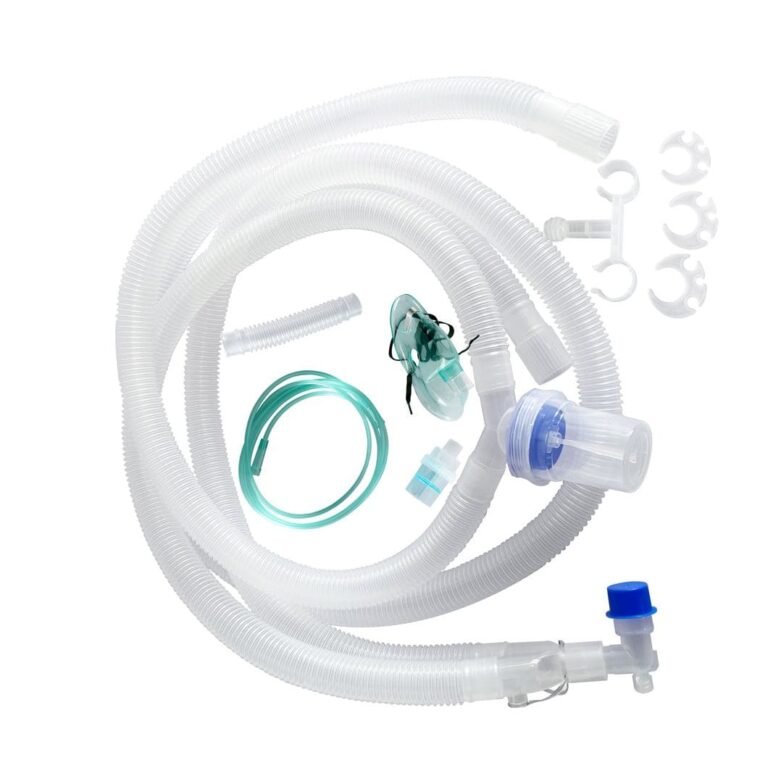
A complete aerosol delivery system typically includes a nebulizer, medication cup, mask or mouthpiece, and tubing. The performance of each component can directly affect aerosol output, leakage, patient comfort, and treatment consistency.
This guide explains how nebulizer masks work, how they differ from oxygen masks, how tubing affects performance, and what buyers should consider when sourcing respiratory consumables.
What Is a Nebulizer Mask?
A nebulizer mask serves as a patient interface designed to deliver aerosolized medication through inhalation.
A typical system includes:
- Nebulizer medication cup
- Compressor or gas source
- Nebulizer tubing
- Nebulizer mask or mouthpiece
- Connectors and fittings
The nebulizer converts liquid medication into an inhalable aerosol. Patients then breathe the aerosol through the mask or mouthpiece.
A mask with nebulizer proves particularly useful when patients cannot reliably maintain a mouthpiece seal. Specifically, this includes young children, elderly patients, patients with limited coordination, and some individuals experiencing acute respiratory distress.
Nebulizer Mask vs. Oxygen Mask
These two products may look similar, but manufacturers design their intended functions differently.
| Feature | Nebulizer Mask | Oxygen Mask |
| Primary purpose | Aerosol medication delivery | Supplemental oxygen delivery |
| Typical connection | Nebulizer cup + tubing | Oxygen source |
| Medication delivery | Yes | No |
| Aerosol pathway | Designed for aerosol | Not necessarily designed for aerosol |
| Typical use | Nebulization therapy | Oxygen therapy |
| Main performance concern | Aerosol delivery and leakage | Oxygen concentration and flow |
Therefore, simply connecting an oxygen source to a conventional nebulizer mask does not automatically turn the system into an oxygen-delivery device.
Clinical teams should always select the interface according to the intended therapy.
Can a Nebulizer Mask Be Used With Oxygen?
This question requires an important distinction.
Some nebulizers can use oxygen as the driving gas instead of compressed air. In this configuration, oxygen passes through the nebulizer and helps generate the aerosol.
This process differs fundamentally from using a nebulizer mask as a conventional oxygen mask.
For example, in a clinical environment, an oxygen-driven nebulizer may simultaneously use oxygen as the gas source and deliver aerosolized medication. Nevertheless, the actual oxygen concentration reaching the patient depends on the complete system configuration, gas flow, nebulizer design, patient breathing pattern, and other variables.
Consequently:
- Users should never consider a nebulizer mask as a substitute for a dedicated oxygen mask, nasal cannula, or other oxygen-delivery interface.
- For patients requiring supplemental oxygen, clinicians must select an appropriate oxygen-delivery system and follow device manufacturer instructions alongside prescribed treatment protocols.
How Nebulizer Masks and Tubing Affect Aerosol Delivery
A nebulizer system involves much more than the mask itself. The complete gas pathway determines how effectively medication reaches the patient.
1. Nebulizer Tubing
Nebulizer tubing connects the compressor or gas source to the nebulizer cup.
Its primary functions are to:
- Transport compressed gas
- Maintain a relatively stable gas pathway
- Minimize leakage
- Provide a secure connection
- Support consistent nebulizer operation
Tubing that is excessively long, kinked, compressed, or poorly connected can interfere with system performance.
As a result, B2B buyers should evaluate tubing dimensions and connector compatibility together rather than purchasing the mask independently.
2. Nebulizer Pipe
Industry professionals sometimes use the term nebulizer pipe informally to describe the tubing or gas pathway connecting the nebulizer components.
However, specifications should never rely solely on terminology. Procurement teams must verify:
- Internal diameter
- External diameter
- Length
- Connector design
- Material
- Flexibility
- Kink resistance
- Compatibility with the target nebulizer
A tubing product that physically fits one nebulizer may not necessarily provide the intended performance with another system.
3. Nebuliser Mask and Tubing
A complete nebuliser mask and tubing set can simplify procurement and reduce compatibility problems.
For hospitals and distributors, a preconfigured nebulizer tubing with mask package offers several practical advantages:
- Fewer individual SKUs
- Faster clinical setup
- Reduced risk of incompatible connectors
- Easier inventory management
- Consistent component matching
Furthermore, for OEM customers, suppliers can customize the mask, tubing, connector, and nebulizer cup as a complete respiratory consumable solution.
Material Selection: PVC, Silicone, and Patient Safety
Material selection represents another critical consideration when purchasing respiratory consumables.
Many disposable nebulizer masks and tubing products utilize medical-grade PVC because it offers a practical balance between:
- Flexibility
- Transparency
- Cost efficiency
- Manufacturability
- Connector compatibility
Manufacturers may select silicone for applications where greater flexibility, softness, temperature resistance, or specific material characteristics are required.
For medical applications, buyers should request appropriate material documentation and verify that the material suits its intended use.
Important considerations include:
- Medical-grade material specifications
- Biocompatibility requirements where applicable
- Odor and extractables considerations
- Latex status
- Manufacturing cleanliness
- Packaging integrity
- Shelf-life validation
Ultimately, exact material specifications must always correspond to applicable regulatory requirements and the intended use of the device.
How to Use a Nebulizer Mask Safely
Patients and caregivers frequently search for how to use nebulizer mask systems at home. The exact procedure should follow nebulizer manufacturer instructions and healthcare professional prescriptions.
A typical process involves:
Step 1: Prepare the Equipment
Check the nebulizer, medication cup, mask, tubing, and compressor. Meanwhile, users should discard components showing visible damage, cracks, contamination, or loose connections.
Step 2: Add the Prescribed Medication
Place only the prescribed medication and volume into the nebulizer medication cup. Never add medication based on guesswork.
Step 3: Connect the Tubing
Connect the nebulizer tubing securely between the compressor or gas source and the nebulizer cup. Ensure that the tubing remains free of sharp bends or obstructions.
Step 4: Position the Mask
Place the mask gently over the patient’s nose and mouth. The mask should fit comfortably while maintaining an appropriate seal. An excessively loose mask allows aerosol to escape into the surrounding environment, reducing delivery efficiency.
Step 5: Start the Nebulizer
Switch on the compressor or activate the prescribed gas source. A visible aerosol should normally appear when the system operates correctly.
Step 6: Breathe Normally
Patients should breathe according to instructions provided by healthcare professionals or device manufacturers. Treatment duration varies according to the medication, nebulizer, fill volume, and device characteristics.
Step 7: Finish and Clean
After treatment concludes, users must turn off the device and follow manufacturer cleaning and replacement instructions. Furthermore, individuals should never automatically reuse disposable components simply because they appear visually clean.
Common Nebulizer Problems and Troubleshooting
Users sometimes search for repair nebulizer solutions when a nebulizer stops producing mist.
In many cases, a damaged compressor is not the root cause. Consumable components or the gas pathway often trigger the issue.
If the nebulizer produces little or no aerosol, check:
- Whether the medication cup is correctly assembled
- Whether the tubing is securely connected
- Whether the nebulizer tubing is kinked
- Whether the compressor operates normally
- Whether the medication volume falls within manufacturer specifications
- Whether the nebulizer cup is blocked or contaminated
- Whether connectors are compatible
If the mask or tubing suffers damage, replacing the consumable is usually more appropriate than attempting to repair nebulizer components. In addition, electrical or compressor problems require professional service procedures rather than DIY fixes by unqualified users.
What Should B2B Buyers Look for in a Nebulizer Mask Supplier?
For distributors, importers, hospitals, and OEM customers, selecting a respiratory consumables supplier demands far more than comparing unit prices.
Buyers should evaluate suppliers across four major areas:
1. Regulatory and Quality Documentation
Depending on target markets and intended device classifications, buyers must verify relevant documentation such as:
- ISO 13485 quality management certification
- CE documentation where applicable
- Product technical documentation
- Biocompatibility information where applicable
- Risk management documentation
- Sterilization information for sterile products
- Packaging and shelf-life validation
- Lot traceability
Requirements vary across destinations, so buyers should confirm applicable regulatory pathways rather than relying on generic certificate lists.
2. Manufacturing Capability
Emerging medical device companies can provide highly flexible OEM/ODM services, yet buyers must assess manufacturing capability carefully.
Important questions include:
- Does the factory control incoming raw materials?
- Are production processes documented?
- Is there in-process quality inspection?
- Are tubing dimensions controlled?
- Are connector tolerances verified?
- Is leakage testing performed?
- Can production lots be traced?
- Can the manufacturer maintain consistent quality at larger volumes?
The same evaluation applies when selecting larger medical device corporations. A well-known company name never replaces product-specific technical verification.
3. Product Compatibility
Professional suppliers should provide clear specifications for:
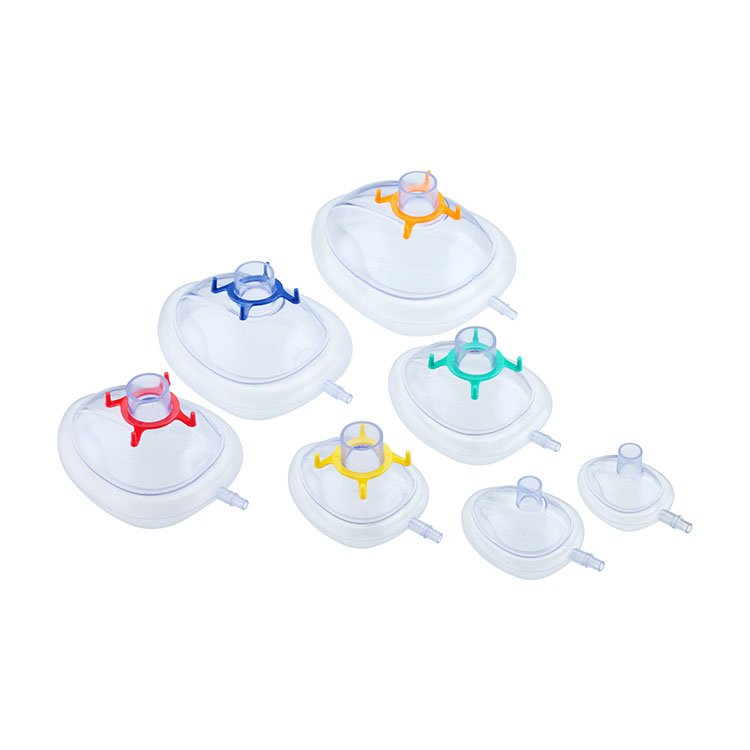
- Mask sizes
- Tubing length
- Tube diameter
- Connector dimensions
- Materials
- Packaging
- Sterility status
- Applicable nebulizer compatibility
- OEM customization options
For distributors, compatibility information holds immense importance because a product working with one compressor may not perform identically with another.
4. Supply Chain Reliability
Price represents only a fraction of total procurement costs.
Buyers should consider:
- MOQ (Minimum Order Quantity)
- Production lead times
- Sample availability
- Packaging customization
- Private labeling
- Export experience
- Batch consistency
- Replacement policies
- Communication speed
- Documentation support
Suppliers providing both nebulizer tubing with mask and other respiratory consumables can significantly simplify vendor management.
Nebulizer Mask Selection Checklist
Whether you are a caregiver purchasing a replacement product or a distributor sourcing thousands of units, the following checklist provides a useful starting point:
For patients and caregivers
- Is the product intended for nebulization?
- Is the mask size appropriate?
- Is the tubing compatible with the nebulizer?
- Is the mask comfortable and reasonably well sealed?
- Are components clean and undamaged?
- Are you following prescribed medication and treatment instructions?
For distributors and importers
- What material is used?
- What are the tubing dimensions?
- Which nebulizers are compatible?
- What connectors are available?
- Is the product latex-free if required?
- What quality certificates and technical documents are available?
- Is OEM/ODM customization available?
- What are the MOQ and lead time requirements?
- Can the manufacturer provide consistent batch quality?
Final Takeaway: The Mask Is Only One Part of the System
A nebulizer mask should never be evaluated as an isolated accessory.
The mask, medication cup, nebulizer, tubing, connectors, and gas source form one complete aerosol-delivery system. A problem in any single component can compromise treatment performance.
For patients, the most important principle is using devices strictly according to prescribed treatments and manufacturer instructions. Users must never automatically substitute a nebulizer mask for an oxygen-delivery interface.
For B2B buyers, the critical question is not simply “Which mask is cheapest?” Instead, buyers should ask:
“Which complete nebulizer interface provides the right combination of material safety, compatibility, aerosol-delivery performance, quality consistency, regulatory documentation, and supply reliability?”
Answering this helps distributors, hospitals, and healthcare providers build much more reliable respiratory product portfolios.
Looking for a Reliable Nebulizer Mask and Tubing Supplier?
Weishan Tech provides professional respiratory consumables and OEM/ODM solutions for international medical device distributors, importers, and healthcare supply chains.
When evaluating a supplier, ask for product specifications, samples, technical documentation, and compatibility information before placing commercial orders.
Contact Weishan Tech today to discuss nebulizer masks, nebulizer tubing, oxygen therapy consumables, and customized respiratory solutions tailored to your target market.