
Medical Equipment Contract Negotiation Guide

Medical Equipment Contract Negotiation Guide
Sourcing Medical Equipment: Where Negotiation Starts
In medical sourcing, negotiation doesn’t end at price—it starts there. Every medical equipment contract negotiation you enter into locks in the price you’ll charge your customers today and determines the level of security of your supply chain, the quality of your products, and the size of your profit margins.
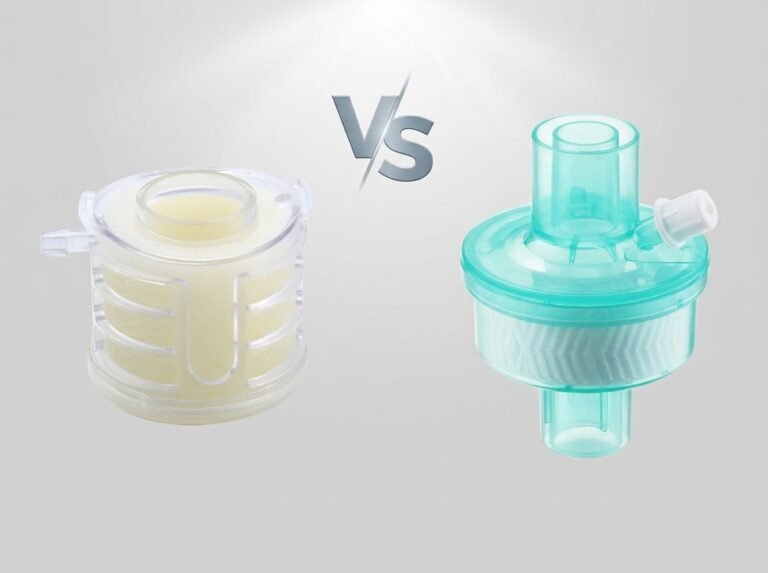
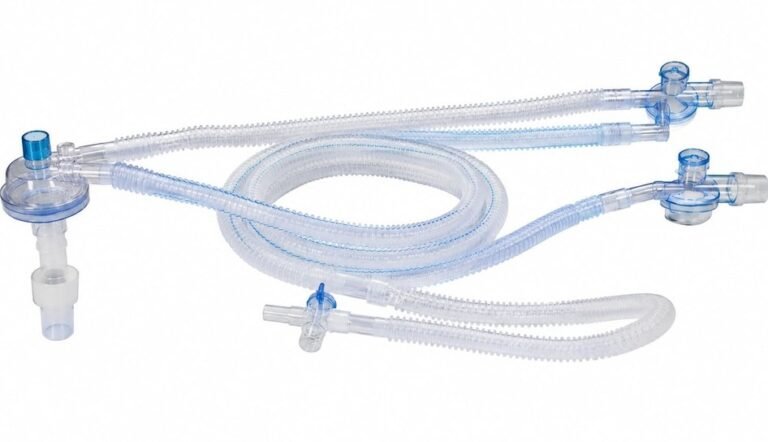
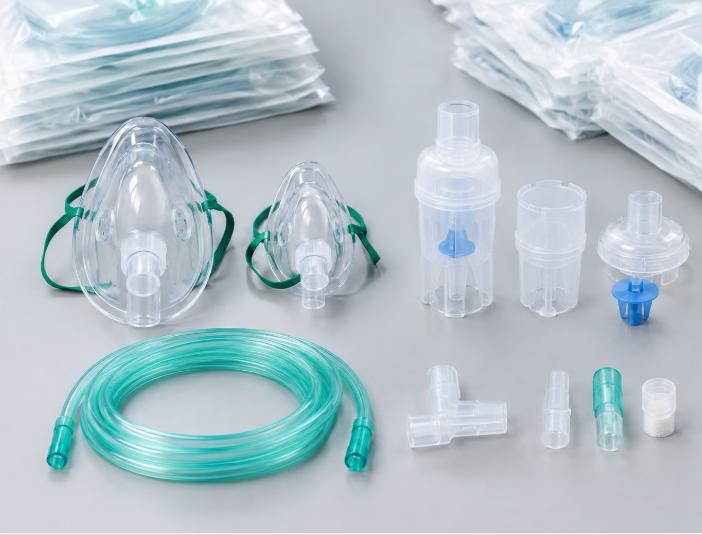
For high volume consumables like breathing circuits, HME filters, anesthesia accessories and components and humidifier chambers, terms are even more crucial—those products are repeat purchases, so small things in the deal can have a large knock on effect.
What is medical equipment contract negotiation?
Medical equipment contract negotiation is the practice of agreeing mutually to all the commercial and operational terms relevant to the act of buying and selling. Examples include:
• Pricing and payment terms
• Specification
• Quality
• Delivery and lead time
• Certification and documentation
• After-sales
Contracts reduce ambiguity. Bad contracts introduce hidden downsides to the agreement.
Why contract negotiation is important
Too often buyers focus purely and simply on the unit price when negotiating. Normally, trouble comes at the borders of the specification that was not clearly defined at first. Problems appear that include:
• Increase in price after the initial orders are placed
• Variability in product quality in specific batches
• Late delivery with no recourse
• Inadequate or lacking documentation
Where to focus
1) Specification
It starts and it ends here. Examples include:
• Type of breathing circuit (corrugated vs smoothbore)
• HME Filter vs HMEF filter specifications
• Sizes and types of connectors
• Packaging
Pricing Structure
Price is important, but structure is even more important. Instead of just verifying the unit price, clarify things like:
How long is it valid for
Under what conditions may it change (they will, they always do)
Volume order discounts (and what are they)?
What currency do they quote you and what are the payment terms?
Your distributor would probably prefer to have a stable “landed” price that they know they can predict their margin on.
3. Quality Standards and Inspection
Managing quality is very important. You can’t just assume they are going to have good quality, it has to be written into the contract.
Are the following things included in your contract:
Quality standards accepted
Pre-shipment inspection or a third party if needed
What testing is required? A leak test? Is there a test report on filtration efficiency?
What are the acceptance criteria?
With many disposable breathing circuits and HME filters, tenths of a centimeter variations can cause big differences.
4. Lead Time and Terms of Delivery
Make sure the delivery terms are defined. What is a “reasonable” time and where are they coming from?
Is air freight used or ocean?
What penalties or other solutions are instituted in the event there is a delay?
How flexibility will they be for rush orders?
“Reliable delivery” is often worth a couple of percent in price.
Certification and Documentation
Do they deliver? They ought to be delivering documentation too.
Is the following set out in your contract?
CE Certification
FDA Registration if applicable
ISO 13485 copies
Technical files and test reports
When are they to be provided? By whom? You get the idea.
6. MOQ and order planning
This determines your price and volume for the life of the contract.
Is this defined?
Standard minimum qtys for normal products
MOQ for OEM projects
Minimum trial quantity
Flexibility with repeat orders
7. OEM and customisation terms
Are you going to build your own brand? Be clear on OEM terms.
Will the following come with it?
Logo printing
Who owns the design and files?
Lead time for customized products
Tooling/setup requirement
Nail this down and prevent bedwetting over buying cheap.
“Oops, sorry” or “That’s several hours of work for me”
Mistakes courting disaster
We all make mistakes. These blunders come a close second.
Focussing solely on price and neglecting the other terms
Avoiding QC clauses
Failing to check if certification is needed
Being vague about the delivery schedule
Changing suppliers too often
Seven minutes of planning prevents hours of heartache.
How to conduct business, the right way
Be practical with it.
Be clear about your requirements
Comparing suppliers of the same level
Talk about all terms – not just price
Sample, and sample again if necessary
Small test order to start with
Let’s test both product and supplier.
The supply relationship
Who wins?
Your supplier is better able to work an urgent order
Communication is quicker and clearer
Pricing is less volatile
Quality control improves with routine
It becomes a boring routine to deliver the right documents by the right time
The speed at which you get things is faster and you have a smoother business.
Conclusion
When it comes to supply contract negotiation of medical equipment, it’s much more than a purchase. You have a risk model ahead of you to contain within Wholestatement makes for a good supplier in respiratory consumables such as breathing circuits, HME filters, humidifier chambers, etc?
The cheapest option is seldom the best.
Better agreements, long-term cooperation bring better results than short term savings.