
How to Test Breathing Circuit Before Use

How to Test Breathing Circuit Before Use
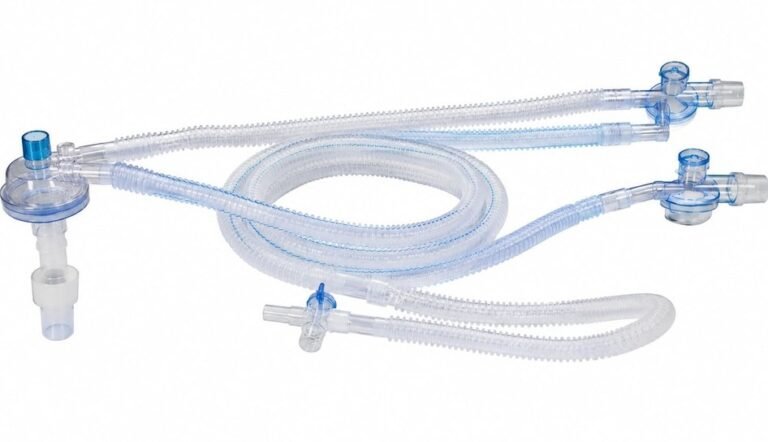
Breathing Circuits. Testing that the breathing circuit works properly is a critical step before use in an anesthetic/ventilator delivery system, as a failure of the breathing circuit can lead to snags such as inadequate delivery of anesthetic to the patient or even failure to ventilate. Here’s how to check the breathing circuit prior to use.
Visually inspect the breathing circuit.
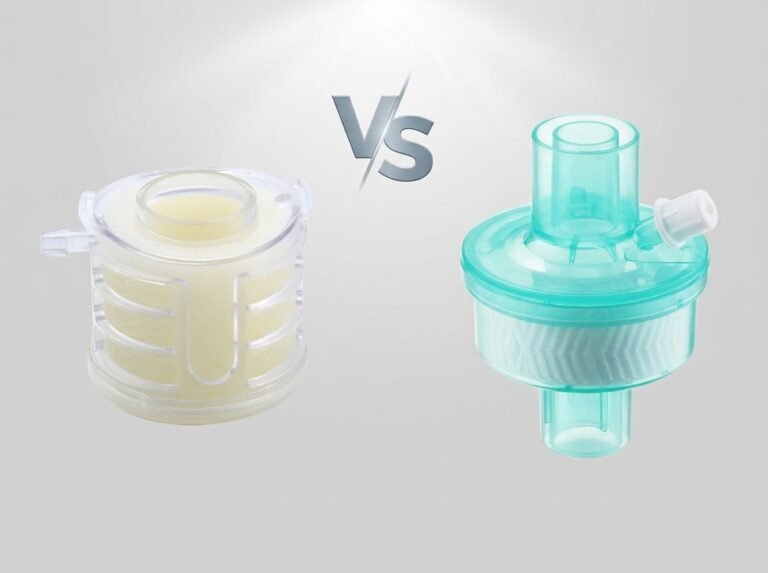
Is it obviously defective? Pay special attention to the tubing for evidence of cracking or tearing, and inspect all connectors/valve for signs of wear. Corrugated tubing will become brittle and will crack over time. Make certain that the HME filter and humidifier chamber is free of dirt and not blocked, they must allow free air flow.
Insider tip: pay special attention to areas of the circuit which are most likely to bend, since they will tend to wear out before other areas. Are leaks present? Leaks promote insufficient (too little) delivery of gas to the patient.
Detecting a leak:
- Method 1: Close the end of the breathing circuit and inflate with leak test bag. Squeeze and listen for jetting of air escaping. This will determine if the system has a leak present.
- Method 2: Pressure Gauge – with pressure gauge hook to circuit and watch to see if the pressure drops off. If so then there is likely a leak in the system.
Check the Connections
Make sure the entire breathing circuit is attached properly, including…that the circuit is attached to the anesthesia machine or, ventilator, or a humidifier chamber. Poorly connected or disconnected pieces can result in improper gas delivery, and components must snap into place securely to prevent disconnection or leaking.
Test the Flow and Pressure
To properly deliver the right amount of volume of gas through the breathing circuit, the flow and pressure must be checked. Attach the circuit to the machine and turn on the flow. Make sure that the gas is flowing without obstruction through the circuit. You can also test the pressure in the circuit using a manometer. This too should meet the standard of the manufacturer of whatever equipment is being tested.
Tip: Foresee if the circuit is able to keep the necessary pressure as time passes. If it doesn’t the level of pressure is lower and may indicate a slow leak.
Test the Humidifier and Filter Chambers
For circuits with humidifier chambers or HME filters this step is essential. Blocked or clogged filters will affect the breathe circuit’s abilities to deliver correctly humidified and filtered gases for use to the patient. Check reusable HME filters for wear, and for disposable types that the time of use hasn’t been too great.
Test for Compatibility with the Patient Type
Breathe circuits are designed primarily for patients of a certain size and condition. Make sure that the circuit you are using is correct for the type of patient you have selected. To use the wrong patient type in the breathing circuit will compromise the ability of the entire gas delivery system of the machine, and put excessive wear on components. Pediatric breathing circuits use small tubing and different components than the circuits for adults that you are familiar with!
Do a Full Functional Test
Make sure that before the last time you will use the machine, do a full testing of the entire machine or ventilator, and check that the entire machine and circuit system is sustaining the gases sufficiently in pressure and flow, and doesn’t have obstructions. If there are any problems in any areas with this test make sure to correct them before the machine is requested for use.
Conclusion
One of the most helpful things you can do as an anesthetist is to test a breathe circuit so that potential leaks, poor connections and filter problems will not flank your patient care. This along with the entire machines inspection and upkeep will greatly improve a units longevity, and lessen the risk of malfunction. If you are in need of a variety of breathe circuits, HMEs, humidifier chambers, etc. please see us for your medical supply needs.