
2026 Global Medical Oxygen Mask Market Insights: Driving Quality and Supply Chain Transparency

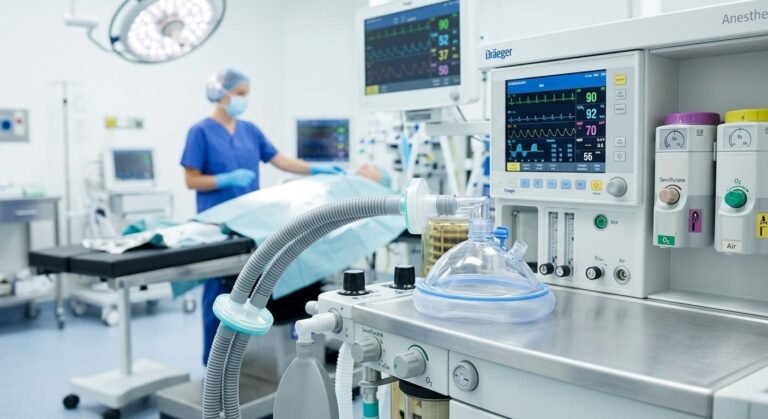
As healthcare systems around the world place increasing emphasis on respiratory care, the medical oxygen mask—an essential component of oxygen therapy—is experiencing rapid growth. This expansion is driven by technological innovation, stricter regulatory expectations, and a sharp rise in global demand. Market data indicates that the global medical oxygen systems market is expected to surpass $5.2 billion by 2026, reflecting both the scale and urgency of respiratory health needs.
For international medical device buyers, distributors, and healthcare providers, selecting a supplier with a true “source factory” background has become a decisive factor. In an increasingly complex and volatile supply environment, direct manufacturing partnerships help reduce operational risks while ensuring consistent product quality and patient safety.
Core Trends: From “Basic Protection” to “Precision Therapy”
Modern oxygen therapy is no longer limited to basic oxygen delivery—it now prioritizes accuracy, comfort, and patient compliance. One of the most notable trends is the shift toward safer materials. Non-toxic, medical-grade PVC and DEHP-free components have become essential for entering regulated markets such as the EU (CE certification) and the United States (FDA approval).
At the same time, ergonomic design is playing a critical role in improving patient experience. Soft-textured masks, adjustable nose clips, and reinforced sealing edges are replacing older, rigid designs. These improvements not only enhance comfort but also ensure better fit and more effective oxygen delivery.
Another key development is scenario-specific specialization. Oxygen masks are increasingly segmented based on clinical requirements, including high-concentration non-rebreather masks and Venturi masks that allow precise control of oxygen concentration. This shift reflects the broader move toward personalized and precision-based respiratory care.
Why Choosing a Source Factory is the Winning Strategy
The rise of independent sourcing models has made direct factory partnerships more valuable than ever. Beyond cost savings, working with a source factory ensures full traceability across the production process.
Direct manufacturers operate under strict quality systems such as ISO 13485 and maintain controlled cleanroom environments (e.g., Class 100,000). From raw material inspection to injection molding and final packaging, every step is monitored to meet international medical standards.
In addition, source factories offer strong OEM/ODM capabilities. Buyers can customize product specifications—including sizes (adult, pediatric, infant), tubing configurations, and packaging—while benefiting from shorter development cycles due to integrated R&D and production.
Finally, supply chain stability has become a top priority in the post-pandemic era. By controlling raw material sourcing and leveraging automated production, source factories can provide consistent delivery timelines and competitive pricing, even during periods of high demand.
Looking Ahead
The future of oxygen therapy lies in smarter, greener, and more patient-centered solutions. Manufacturers that invest in innovation, sustainability, and direct collaboration will be best positioned to meet evolving global healthcare needs.